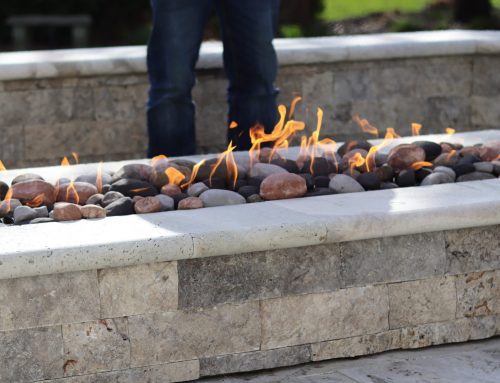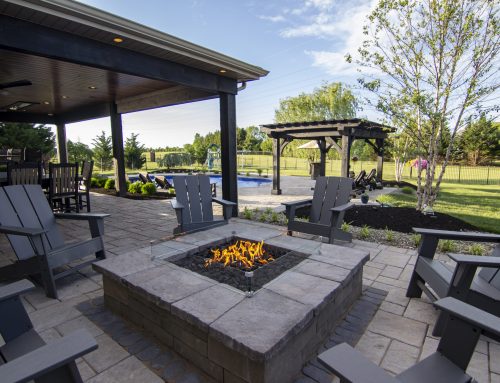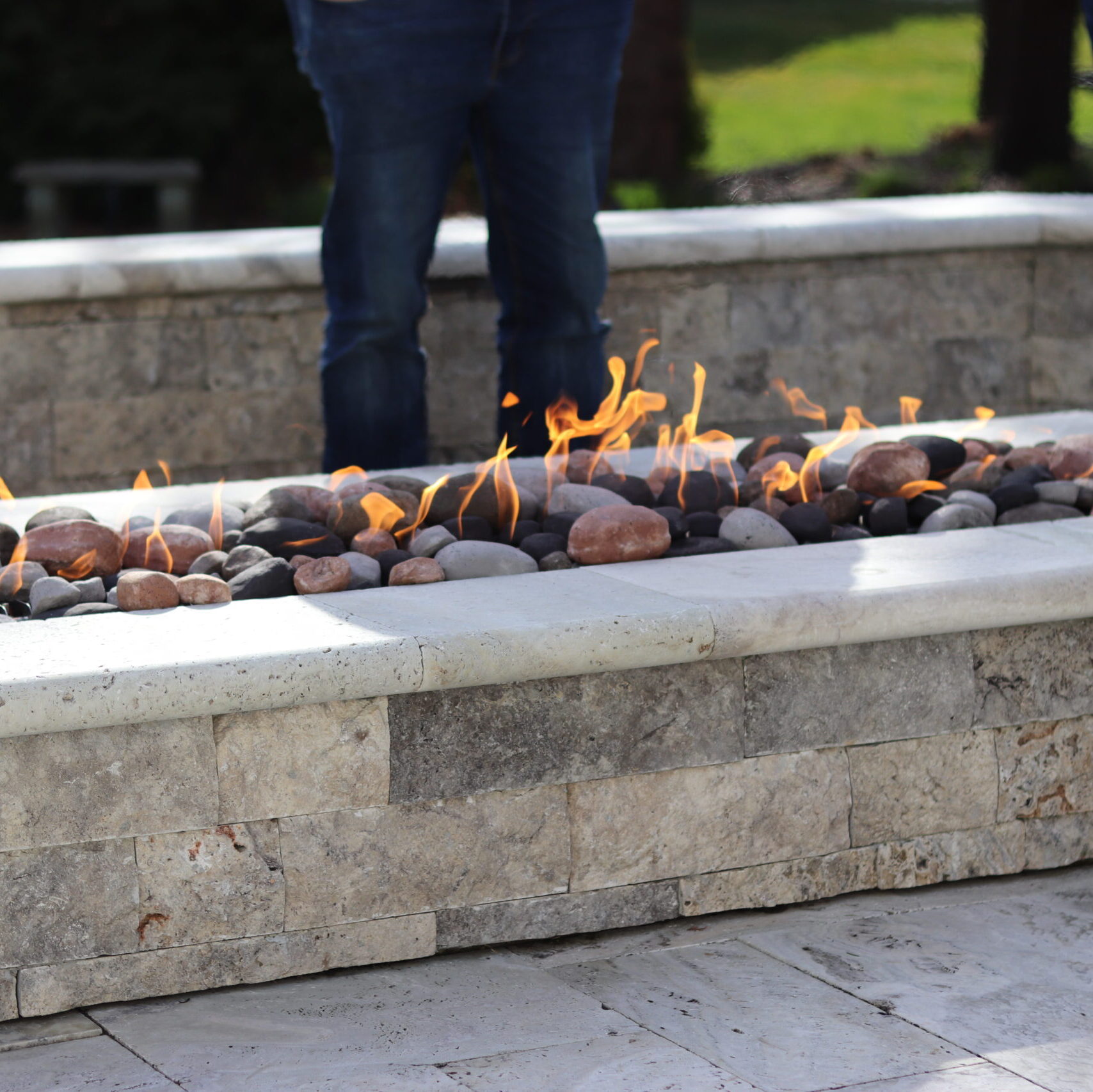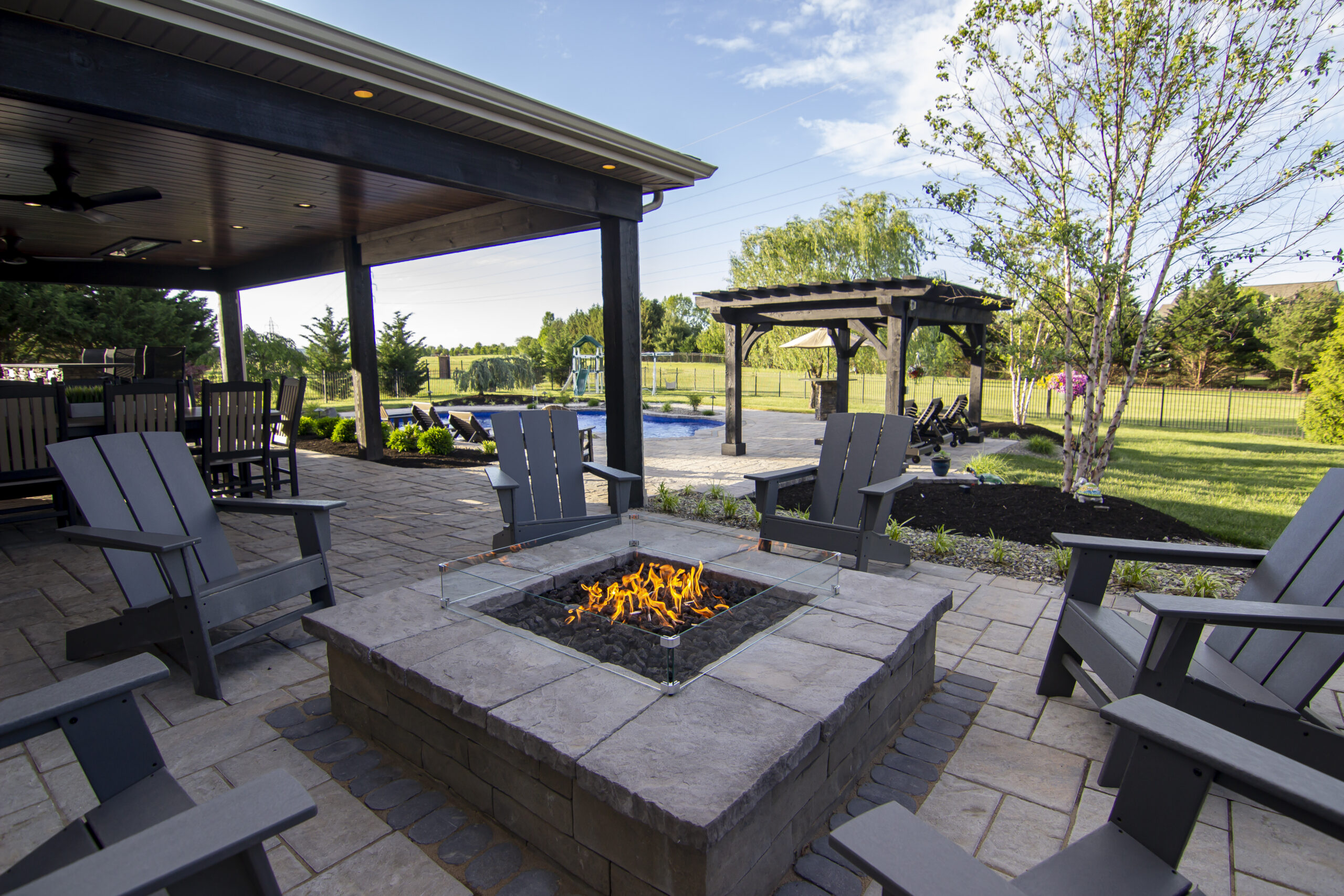
At HPC Fire Inspired our outdoor gas-burning fire pits offer warmth, ambiance, and a unique aesthetic appeal, making them a popular addition to residential and commercial spaces. While these features enhance the outdoor experience, gas fire pits carry inherent risks if not meticulously designed, installed, and maintained. One of the most critical components in ensuring safe operation of your HPC fire feature is the safety pilot system. In This Tech Talk, HPC’s experts will educate consumers about the role the safety pilot plays in a fire feature as well as how to properly upkeep the system to ensure continuous safe operation.
What Is A Safety Pilot?
A safety pilot, sometimes called a thermal generator, is a small device that monitors the status of a gas flame. It ensures that gas flow is directed to the main burner when a flame is present. The safety pilot prevents gas from flowing uncontrolled.
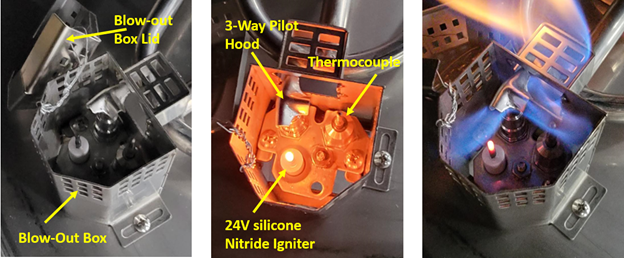
The system typically includes four key components:
- Pilot Light – A small, continuously burning flame.
- Thermocouple – A heat-sensitive probe that detects the pilot flame and generates a small electrical current.
- Igniter– Provides heat to igniter pilot flame fuel
- Gas Valve – Responds to the thermocouple signal, allowing gas flow only when the pilot is ignited.
Why is Safety Pilot Essential ?
Prevents Gas Leaks and Explosions
Gas leaks are among the most dangerous hazards of outdoor fire pits. Without a safety pilot, gas could flow into the fire pit or surrounding area without ignition, creating a risk of an uncontrolled fire or explosion. The safety pilot ensures that gas flows at a safe level and only when it is going to be lit.
Enhances User Safety
Outdoor fire pits are often utilized by homeowners or guests with minimal technical knowledge. A safety pilot, acts as a fail-safe, automatically shutting off gas if the pilot flame goes out due to wind, debris, or malfunction. This reduces the likelihood of accidental burns or fires.
Regulatory Compliance
Many local and national building codes require safety pilots for gas-burning appliances, including outdoor fire pits. Installing a safety pilot helps ensure compliance with safety regulations and may be necessary for insurance coverage.
Reduces Maintenance Costs and Liability
Uncontrolled gas flow can damage components and lead to costly repairs. Safety pilots minimize this risk and reduce potential liability from accidents caused by improper fire pit operations.
Improves Performance and Reliability
A properly functioning safety pilot supports consistent ignition and flame control, providing a reliable and enjoyable fire experience without the frustration of repeated failed ignitions
Installation and Maintenance Tips
Professional Installation:
Safety pilots should be installed by certified gas technicians to ensure correct positioning, gas connections, and compliance with manufacturer specifications.
Regular Inspection:
Check the pilot flame, thermocouple, and gas valve regularly for wear, corrosion, or debris that could impede performance.
Wind Protection:
Outdoor fire pits are impacted by environmental conditions; wind shields or enclosures can help keep the pilot flame stable.
Seasonal Shutdown:
Before winter or extended periods of non-use, inspect and clean the pilot system to prevent clogging and corrosion.
While it may seem like a minor component, the safety pilot is the cornerstone of safe operation for your HPC outdoor gas-burning fire pits. It prevents gas leaks, enhances user safety, ensures regulatory compliance, and improves overall performance. Homeowners, designers, and installers must prioritize the correct installation and maintenance of safety pilots to ensure a safe and enjoyable fire experience. Taking proper safety measures ensures that your outdoor fire pit remains a safe centerpiece of any outdoor space.
Why is Safety Pilot Essential ?
Prevents Gas Leaks and Explosions
Gas leaks are among the most dangerous hazards of outdoor fire pits. Without a safety pilot, gas could flow into the fire pit or surrounding area without ignition, creating a risk of an uncontrolled fire or explosion. The safety pilot ensures that gas flows at a safe level and only when it is going to be lit.
Enhances User Safety
Outdoor fire pits are often utilized by homeowners or guests with minimal technical knowledge. A safety pilot, acts as a fail-safe, automatically shutting off gas if the pilot flame goes out due to wind, debris, or malfunction. This reduces the likelihood of accidental burns or fires.
Regulatory Compliance
Many local and national building codes require safety pilots for gas-burning appliances, including outdoor fire pits. Installing a safety pilot helps ensure compliance with safety regulations and may be necessary for insurance coverage.
Reduces Maintenance Costs and Liability
Uncontrolled gas flow can damage components and lead to costly repairs. Safety pilots minimize this risk and reduce potential liability from accidents caused by improper fire pit operations.
Improves Performance and Reliability
A properly functioning safety pilot supports consistent ignition and flame control, providing a reliable and enjoyable fire experience without the frustration of repeated failed ignitions
Installation and Maintenance Tips
Professional Installation:
Safety pilots should be installed by certified gas technicians to ensure correct positioning, gas connections, and compliance with manufacturer specifications.
Regular Inspection:
Check the pilot flame, thermocouple, and gas valve regularly for wear, corrosion, or debris that could impede performance.
Wind Protection:
Outdoor fire pits are impacted by environmental conditions; wind shields or enclosures can help keep the pilot flame stable.
Seasonal Shutdown:
Before winter or extended periods of non-use, inspect and clean the pilot system to prevent clogging and corrosion.
While it may seem like a minor component, the safety pilot is the cornerstone of safe operation for your HPC outdoor gas-burning fire pits. It prevents gas leaks, enhances user safety, ensures regulatory compliance, and improves overall performance. Homeowners, designers, and installers must prioritize the correct installation and maintenance of safety pilots to ensure a safe and enjoyable fire experience. Taking proper safety measures ensures that your outdoor fire pit remains a safe centerpiece of any outdoor space.