Separating Fact from Fiction in Outdoor Fire Feature Safety
As gas fire features continue to grow in popularity across residential and commercial outdoor living projects, safety remains one of the most important considerations for homeowners, contractors, designers, and installers alike. While modern gas fire pits offer exceptional convenience, performance, and reliability, understanding the safety systems behind these products is critical to ensuring proper installation and long-term operation.
At HPC Fire Inspired, safety is not an afterthought. It is built into every burner, ignition system, and control package we design. From flame-sensing technology and ventilation requirements to fuel management and emergency shutoff systems, our products are engineered to meet rigorous safety standards while delivering an exceptional fire experience.
Over the years, our team has answered thousands of questions from industry professionals and consumers seeking guidance on fire pit safety, code compliance, installation best practices, and system operation. In this technical discussion, we’ll address the ten most common safety questions we receive and provide insights that every outdoor living professional should understand.
- Is It Safe to Install a Gas Fire Pit Under a Covered Patio?
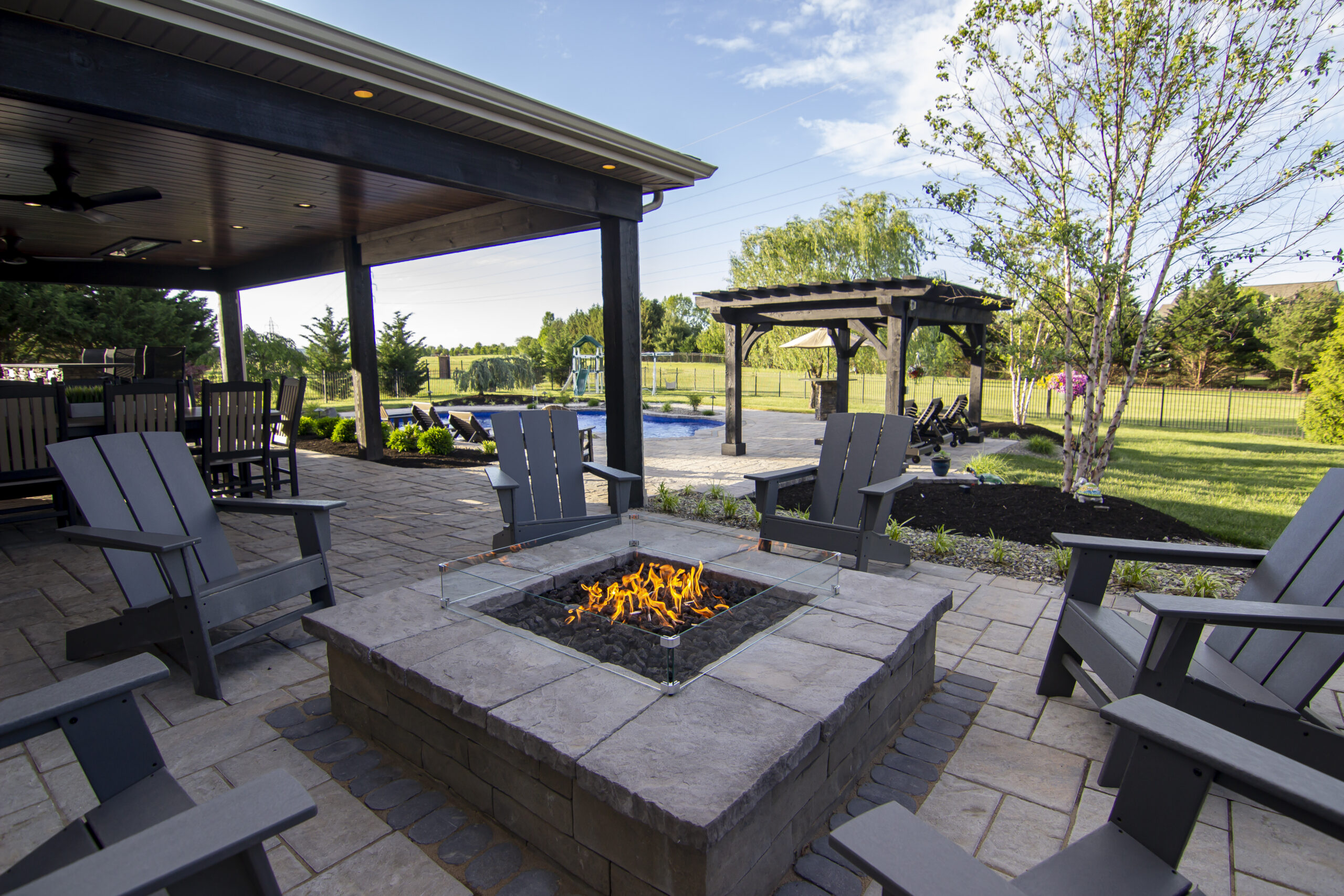
While some fire features may be installed beneath covered outdoor structures, adhering to overhead clearance and ventilation specifications are critical safe operation. By adhering to these specifications, it allows heat accumulation and combustion byproducts to dissipate safely.
Before installation, always review:
- Manufacturer clearance requirements
- Local building and fuel gas codes
- Ventilation provisions
- Structure materials and combustibility
- Unit size (BTU input rating)
A covered patio should never be assumed safe simply because it is outdoors.
HPC Tip: Always consult the installation manual and local Authority Having Jurisdiction (AHJ) before placing a fire feature beneath any overhead structure.
- How Far Should a Fire Pit Be from My Home or Other Combustibles?
Clearances vary based on the appliance design, fuel type, and local codes.
Maintaining proper clearances helps prevent heat damage and reduces fire risk.
Potential combustible hazards include:
- Homes and structures
- Deck railings
- Outdoor furniture
- Landscaping materials
- Pergolas
- Trees and shrubs
HPC Tip: Follow manufacturer clearance requirements and never assume a decorative fire feature can be positioned like outdoor furniture.
- Can a Gas Fire Pit Explode?
When installed and maintained according to manufacturer specifications, gas fire pits provide a safe and reliable outdoor fire experience. Like any fuel-burning appliance, however, potential hazards can arise if fuel is allowed to accumulate prior to ignition. Proper gas piping, ignition system installation, and enclosure construction are essential. To ensure safe operation, installations should be performed by qualified professionals and must incorporate the required ventilation and drainage provisions designed to prevent the buildup of gas or moisture within the fire feature enclosure.
Potential causes include:
- Improper ventilation
- Gas leaks
- Damaged components
- Delayed ignition
- Improper enclosure design
To maintain safe operation, burner enclosures must involve properly sized ventilation openings, and ignition systems should underlie inspection regularly to ensure thy at functioning as designed.
HPC Tip: Incorporating electronic ignition systems with integrated flame monitoring and automatic fuel shutoff functionality enhances the overall safety and reliability of the fire feature.
- Why Does My Fire Pit Need Ventilation Openings?
Ventilation is one of the most misunderstood aspects of fire pit safety. Vent openings serve several crucial functions:
- Prevent gas accumulation by moving air in the enclosure
- Promote airflow for combustion
- Reduce moisture buildup
- Protect internal components from heat
- Improve burner performance
Without proper ventilation, gas can collect within the enclosure, creating a potentially dangerous condition.
HPC Tip: Ventilation requirements are not optional design features—they are critical safety components of every fire pit installation.
- Can I Leave My Fire Pit Burning Unattended?
No. Gas fire pits should never be left unattended while in operation.
Although gas fire features eliminate many of the risks associated with wood-burning fires, such as flying sparks and embers, an active flame still requires supervision. Weather conditions, accidental contact, combustible materials, or unexpected equipment issues can create potential safety hazards that warrant immediate attention.
For this reason, all HPC Fire Inspired outdoor fire pit appliances are certified as attended appliances, meaning the presence of a responsible operator is considered an important component of the overall safety system. Active supervision helps ensure the fire feature is operating as intended and allows for prompt response should any unsafe condition arise.
Best practices are to:
- Remain nearby while operating
- Turn off the fire feature when leaving the area
- Verify complete shutdown after use
HPC Tip: Electronic ignition systems provide convenient operation, but they do not replace responsible supervision.
- How Can I Tell If My Fire Pit Has a Gas Leak?
If you smell gas or suspect you may have a gas leak, Immediately shut off the appliance, turn off the gas and call you gas supplier or licensed gas professional right away.
Common warning signs include:
- Smell of gas
- Hissing sounds near fittings
- Unusual burner performance
- Difficulty igniting
HPC Tip: Routine inspection of fittings, valves, and connections is one of the easiest ways to maintain safe operation.
- Can I Install a Gas Fire Pit on a Deck?
In many cases, yes—but the installation must account for surface temperatures, clearance requirements, and utilizing deck installation kits.
Factors to consider include:
- Deck material
- Appliance design
- Heat transfer characteristics
- Manufacturer recommendations
- Local code requirements
Wood and composite decking may require additional protection measures depending on the fire feature design and manufacturers deck installation instructions.
HPC Tip: Never assume all decks are suitable for all fire pits. Always verify compatibility before installation.
- Are Gas Fire Pits Safe Around Children and Pets?
Generally, gas fire pits are safer than wood-burning fires because they eliminate sparks, popping embers, and rolling logs. However, hazards still exist.
Potential risks include:
- Hot surfaces
- Heated fire media
- Open flame exposure
- Trip hazards around equipment
Children and pets should always be supervised around operating fire features.
HPC Tip: Fire glass, decorative media, and metal surfaces can remain extremely hot long after the flame has been extinguished.
- How Much Maintenance Does a Gas Fire Pit Require?
While gas fire pits require less maintenance than wood-burning systems, they are not maintenance-free.
Recommended inspections include:
- Burner condition
- Ignition performance
- Ventilation openings
- Gas connections
- Fire media condition
- Drainage systems
Routine maintenance helps ensure safe operation and extends equipment life.
HPC Tip: Annual inspection is a smart practice for any permanently installed gas fire feature.
- Can I Build My Own Gas Fire Pit?
Many homeowners successfully build custom fire pit structures, but fuel gas systems require specialized knowledge in gas and mechanical systems.
Common DIY mistakes include:
- Incorrect gas pipe sizing
- Gas pressure requirements
- Improper ventilation
- Poor drainage design
- Non-listed components
Gas systems must be designed and installed according to applicable fuel gas codes, manufacturer requirements, and safety standards.
HPC Tip: Whenever fuel gas is involved, partnering with qualified professionals is the safest path to a successful installation.
Safety Begins With Smart Design:
A well-designed outdoor fire feature does more than create ambiance—it combines engineering, safety, and performance to deliver a reliable experience year after year. While aesthetics often capture attention, the true foundation of any successful fire feature lies in proper product selection, code-compliant installation, and ongoing maintenance.
At HPC Fire Inspired, safety is engineered into every component we manufacture. From precision burner systems and advanced ignition technologies to complete control solutions, our products are designed to help minimize risk while delivering the beauty and enjoyment that outdoor fire features are meant to provide.
Whether you are a homeowner planning a new outdoor living space, a contractor building a custom installation, or a designer specifying fire features for a commercial project, understanding the principles behind safe operation is essential. The questions covered in this article represent some of the most important considerations for ensuring a fire feature performs as intended throughout its service life.
After all, the best fire feature is not defined by the size of its flame, but by the confidence that it has been designed, installed, and maintained with safety in mind.
For more than 50 years, HPC Fire Inspired has partnered with contractors, designers, dealers, and homeowners to create exceptional outdoor fire experiences. Through innovative burner technology, industry-leading ignition systems, and a continued commitment to safety, performance, and reliability, HPC remains at the forefront of the outdoor fire industry.