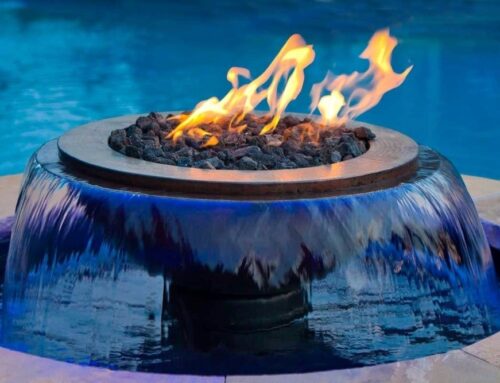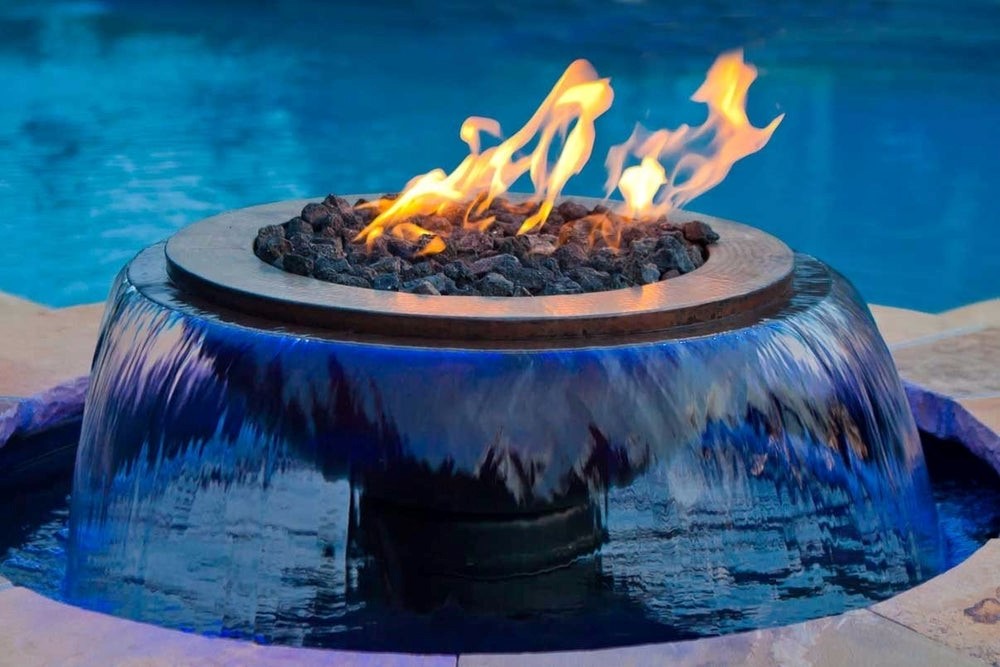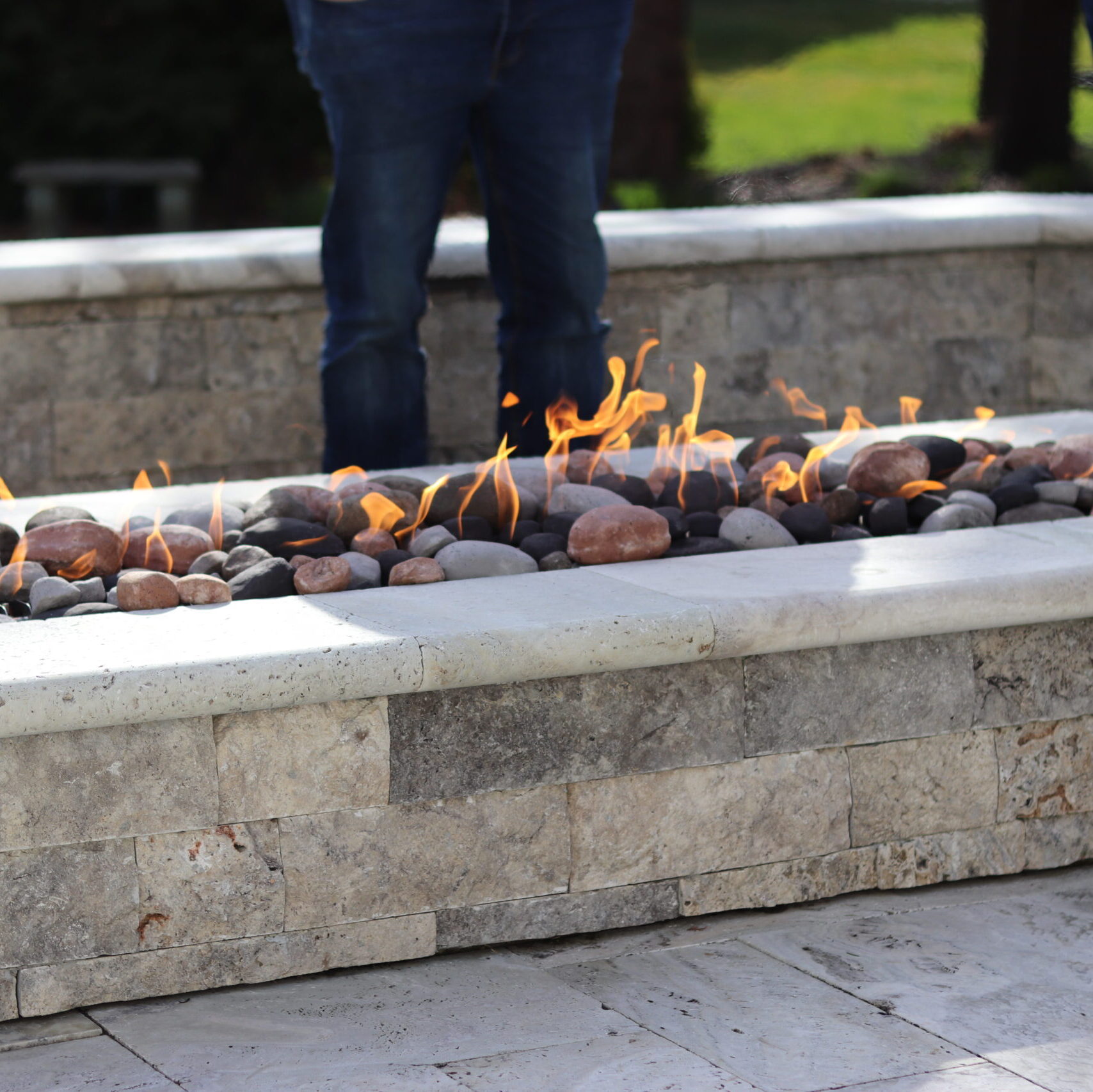
HPC Fire Inspired outdoor gas fire pits are one of the most sought-after landscape features, blending ambiance, warmth, and functionality. However, even the most beautifully designed system will underperform—or fail entirely—if the gas supply isn’t engineered and installed correctly. In this Tech Talk, we will explore the most common gas supply mistakes encountered during fire pit installations, the problems they create, and how to prevent them through proper planning and execution.
- Undersized Gas Supply Lines
One of the most frequent issues our Technical Team at HPC deals with is using gas lines that are too small in diameter to handle the fire pit’s required BTU (British Thermal Unit) load. This is especially common when installers run long distances or tee off existing lines not originally designed for the fire feature. Undersized lines lead to reduced gas volume at the burner, causing poor flame height, incomplete ignition, or noisy operation. Inconsistent flames or frequent dropouts are telltale signs of this issue.
The Fix
Undersized gas lines are one of the most common and critical issues during installation. Often, installers use a “one-size-fits-all” approach without calculating the required BTUs or factoring in pipe length, fittings, and pressure loss. Use a gas pipe sizing chart or consult a qualified gas plumber to calculate the correct line size based on total BTU input of the fire feature, pipe material, length of the run and gas type (natural gas vs. liquid propane).
And when in doubt always overestimate line size if you’re near the limits.
- Assuming 20lb Propane Tanks Are Sufficient
Contractors or homeowners sometimes attempt to power a high-BTU fire pit (90,000–400,000 BTU) with a standard 20lb BBQ-style propane tank. These tanks cannot vaporize liquid propane quickly enough to meet the burner demand, especially in colder weather. The result is flame drop-off or complete failure shortly after ignition.
The Fix
For fire features above 65,000 BTU, use a larger ASME-rated propane tank. Think about using 100lb tank or hard piped large (500-gal -1000-gal) tank. Ensure proper regulator sizing and consider dual-stage regulation for consistent pressure and flow.
- Improper Gas Pressure or Missing Gas Line Regulators
Most gas burning appliances, especially HPC fire features are designed and engineered to operate on low gas pressure (1/4lb-1/2lb) systems. Too much pressure can damage components or create unsafe flame characteristics, while too little pressure leads to weak flame or failure to ignite. Our electronic ignition systems are especially sensitive to supply pressure.
The Fix
Always install a properly rated regulator for the fire pit’s pressure requirements. An HPC fire feature insert for natural gas requires 6”-7″ WC (water column) inlet pressure, while propane systems typically requires10”-11″ WC inlet pressure. Be sure to consult with the fire pit manufacturer’s specifications.
- Overlooking Local Codes and Permitting
Some installations make the mistake of skipping the inspection process or fail to follow local gas codes. Non-compliance can result in code violations, liability issues, and unsafe operation.
The Fix
Engage a licensed gas contractor and consult with your local authority having jurisdiction (AHJ). Contact your local government or fire department to confirm the Authority Having Jurisdiction. Verify:
- Material Approvals (corrugated stainless steel, black iron or poly)
- Maximum distance allowed
- Shutoff valve locations
- Failure to Pressure Test Before Startup
Skipping the pressure test phase or using improper methods for leak checks. Undetected leaks pose serious safety risks and can lead to ignition failure, system damage, or potential accidents.
The Fix
Perform a full gas line pressure test using a manometer or pressure gauge per NFPA 54 or local code. Document and verify before connecting the burner or electronics. Always pressurize the gas line with the appliance disconnected from the gas supply line.
A flawless fire pit installation depends as much on the gas supply system as it does on the burner, media, or ignition module. By avoiding these common mistakes and working with qualified professionals you ensure a safe, efficient, and visually stunning HPC Fire Inspired fire feature. Consult with HPC’s Certified NFI technicians for all your fire pit needs.