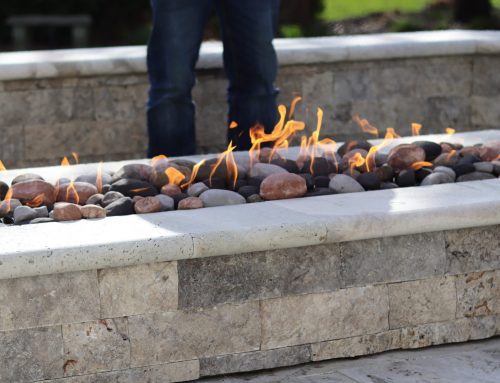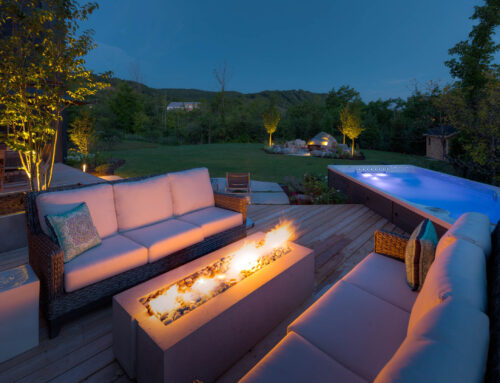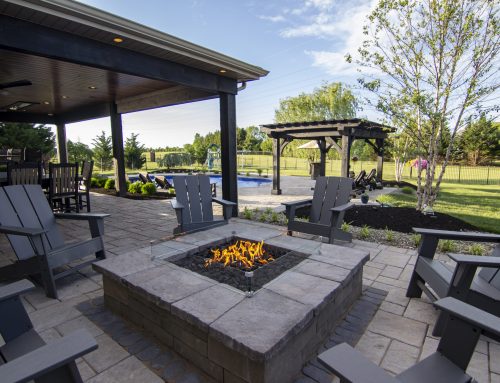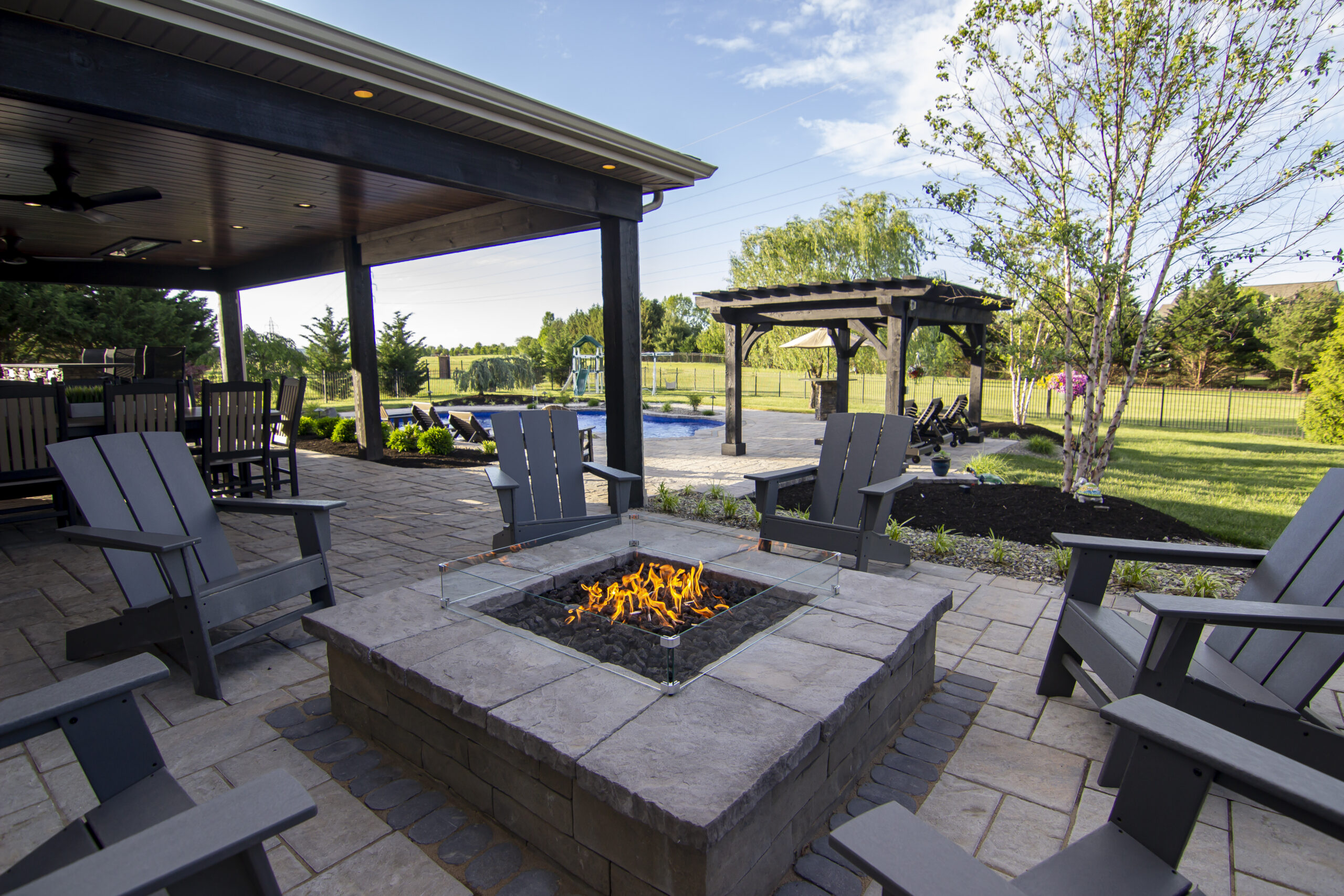
Outdoor living spaces increasingly combine fire features with swimming pools, spas, fountains, and decorative water elements. While these combinations create beautiful environments, they also introduce added electrical safety considerations.
Water significantly increases the risks associated with electrical faults, making safety a critical consideration in the design of pools, spas, and water features. To address these hazards, the National Electrical Code (NEC)—particularly Article 680—establishes enhanced requirements for electrical equipment installed in and around these environments. As a result, voltage selection is more than a matter of convenience; it is an important decision that directly impacts safety, code compliance, and overall system performance.
At HPC Fire Inspired, safety and code compliance are at the forefront of our engineered fire feature designs. Whether your project requires 12V, 24V, or 120V power, our electronic ignition fire features are engineered to meet a wide range of application requirements while helping designers, builders, and homeowners achieve safe, reliable, and compliant installations.
Why Low Voltage Should Be Used Near Water
Reduced Shock Hazard
When electronic ignition fire features are installed near pools, spas, fountains, or other water features, electrical safety becomes a primary concern. In many applications, electrical codes require the use of low-voltage control systems when equipment is installed within specified distances of water sources. HPC recommends always verifying local code requirements.
Low-voltage systems, such as 12V and 24V controls, present a lower electrical shock risk than standard 120V systems. Although they must still be properly designed, installed, and maintained to meet code requirements, lower operating voltages can reduce the severity of potential electrical exposure caused by equipment damage, water intrusion, or poor maintenance.
By incorporating low-voltage controls where required, designers and homeowners can enhance safety while supporting compliance with applicable electrical codes and industry best practices.
Improved Safety Around Wet Environments.
Outdoor environments often expose electrical systems to:
· Pools
· Spas
· Fountain
· Pool splash-out
· Irrigation systems
Low-voltage control circuits are often well suited for these environments because they minimize the amount of electrical energy present at the point of operation, vastly reducing the shock potential.
Why Many Electronic Ignition Systems Use 24 Volts
One of the reasons HPC have long designed low voltage control systems is because they provide an excellent balance between safety and performance.
Low voltage systems can reliably operate:
· Ignition modules
· Safety circuits
· Gas valves
· Relays
· Flame monitoring devices
· Electronic control boards
At the same time, the lower operating voltage allows critical control components to function with substantially less electrical energy than a 120V line-voltage system. For electronically ignited fire features located near pools and spas, this balance of safety and functionality is one reason low voltage systems have become an industry standard.
Understanding the Role of 120 Volts
Although low-voltage controls offer advantages near water, many electronic ignition systems still require a 120V power source. In many installations, 120V serves only as the primary power supply.
120V Transformer Low Voltage Control Circuit Electronic Ignition and Gas Safety System
Advantages of 120V:
· Reliable utility power
· Ability to supply larger loads
· Long wiring distances
· Integration with home automation
Advantages of Low Voltage:
· Lower operating voltage at control components
· Reduced shock exposure
· Proven combustion control reliability
· Simplified field servicing
As outdoor living environments continue to blend fire and water into unified architectural experiences, electrical design has become every bit as important as burner choice and gas piping.
There is no single “best” voltage for every fire feature application. Instead, the right design depends on:
· Proximity to pools and spas
· Desired control capabilities
· Environmental exposure
· Installation complexity
· Code requirements
· Long-term serviceability
At HPC Fire Inspired, we encourage homeowners, designers, and contractors to think of voltage selection as an integral part of the engineering process. In many fire-and-water applications, a system that needs the reliability of 120V power distribution or the safety and functionality of low voltage control circuits often delivers an ideal balance of performance, flexibility, and safety. Beautiful outdoor environments are created when fire, water, gas, and electricity are designed to work together—and that process begins with selecting the right voltage for the application.
When installing a fire feature in or around a pool, spa, or water feature, low-voltage ignition systems are often the preferred solution for enhancing safety and meeting code requirements. Selecting the right ignition system early in the design process can help streamline installation, reduce costly changes, and ensure long-term performance.
An important HPC design tip for successful projects begins with collaboration. Involve the gas installer, electrician, pool builder, and fire feature manufacturer from the start to avoid code conflicts, improve efficiency, and create a safe, reliable, and visually stunning outdoor living space.
At HPC Fire Inspired, we are committed to delivering the industry’s highest-quality engineered fire features for any installation environment. From 12V and 24V low-voltage systems to 120V applications, our products are thoughtfully designed to provide exceptional performance, durability, and code-compliant solutions for today’s outdoor living spaces.
Whether you are designing a custom pool scape, luxury patio, or resort-style backyard retreat, partner with HPC Fire Inspired for innovative fire feature solutions and expert support that help bring your vision to life.