Outdoor gas fire pits have come a long way, combining sophisticated design with advanced engineering to deliver both beauty and peace of mind. While eye-catching flames and push-button ignition often steal the spotlight, the technology working behind the scenes is just as important.
One of the most significant innovations is HPC’s flame sensing technology that is a built-in safety feature that helps ensure gas flow only when a flame is present. In every HPC Fire Inspired fire feature, flame sensing plays a critical role in delivering safe, reliable performance. Whether you are designing a luxury outdoor living space or installing a commercial fire feature, understanding how flame sensing works can aid in selecting a safer, more reliable ignition system. In this Tech Talk, the HPC Fire Inspired team will break down our Flame Sensing technology.
What is Flame Sensing Technology?
A flame sensing system continuously verifies that the burner flame is lit after ignition. If the system detects that the flame has gone out, for example due to heavy wind, rain, or an interruption in the gas supply, it automatically shuts off the gas valve.
Without flame verification, unburned gas could continue flowing into the fire pit, creating a potentially hazardous situation. Flame sense technology is designed to eliminate that risk by monitoring burner operation throughout use.
In simple terms, the system follows three basic steps:
- Ignite the burner
- Verify that a flame is present
- Shut off the gas immediately if the flame is not present.
This entire process occurs automatically in just seconds.
How Flame Detection Works
Most modern electronic ignition systems use one of two methods to verify flame:
1. Flame Rectification
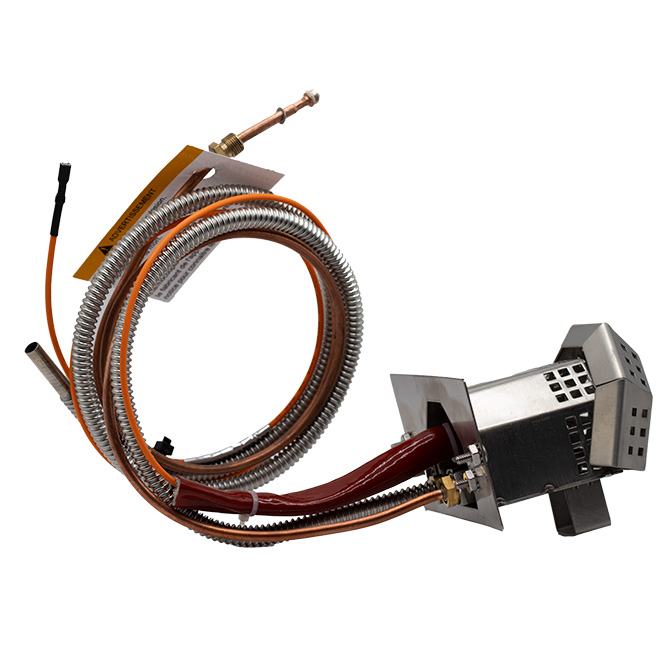
The most common method uses a flame sensor rod positioned within the burner flame. When the flame is present, it conducts a small electrical current back to the control module. If that signal disappears, the system interprets the loss as a flame failure and closes the gas valve. While flame rectification provides some value, HPC has done extensive testing reviewing several types of flame sensing technology and the results revealed that flame rectification does not hold up to harsh outdoor environments due to the electrical current sent to the control module.
2. Thermocouple or Thermopile Systems
Some standing pilot systems use thermocouples or thermopiles that generate a small electrical voltage when heated by the pilot flame. If the pilot goes out, the voltage disappears, allowing the safety valve to close. This technology is what HPC has leaned on for safe operation of electronic ignition. Our thermocouple-based flame sensing stands up to the outdoor environments and when coupled with our engineered control module offers the most reliable flame sensing technology in the industry.
Why Flame Sense Matters Outdoors
Unlike indoor gas appliances, HPC outdoor fire features operate in constantly changing environmental conditions.
Common challenges include:
- Strong wind gusts
- Heavy rain
- Snow and ice
- Debris entering the burner
- Temporary gas pressure fluctuations
Any of these conditions can extinguish a burner flame. A flame sensing system immediately recognizes the problem and prevents continued gas flow until the fire pit is safely restarted. For consumers, this means greater peace of mind. For contractors and commercial property owners, it provides an additional layer of protection and system reliability.
Common Causes of Flame Failure
Even a properly installed fire pit can occasionally lose its flame. Some of the most common causes include:
- High winds blowing directly into the burner
- Water entering the burner after heavy rain
- Dirty burner ports restricting flame distribution
- Low gas pressure
- Insects or debris blocking burner openings
- Damaged ignition components
Routine maintenance helps minimize these issues and ensures the flame sensing system can operate as designed.
Maintaining Flame Sensing Systems
Like any safety component, flame sensors require periodic inspection.
Maintenance typically includes:
- Cleaning the flame sensor according to manufacturer recommendations
- Inspecting ignition wires for damage
- Checking burner alignment
- Removing dirt and debris from burner ports
- Testing flame failure shutdown during annual service
A clean, properly positioned flame sensor provides the most dependable performance.
Flame sensing technology is one of the most important safety features built into every HPC Fire Inspired electronic ignition system. By continuously monitoring burner operation and automatically shutting off the gas supply if the flame is extinguished, it helps promote safer, more reliable performance throughout every burn cycle. This advanced level of protection is one reason electronic ignition systems are widely specified for premium residential projects and commercial outdoor fire features alike.
While flame aesthetics and decorative media often capture the most attention, the ignition system is the technology that keeps your fire feature operating safely behind the scenes. Whether you are designing a new outdoor living space or upgrading an existing installation, choosing an electronic ignition system with integrated flame sensing provides added confidence, convenience, and long-term reliability.
When evaluating fire pit components, remember that the ignition system is not just responsible for lighting the fire– it is one of the most critical safety systems protecting it. Partner with HPC Fire Inspired for all your outdoor needs.