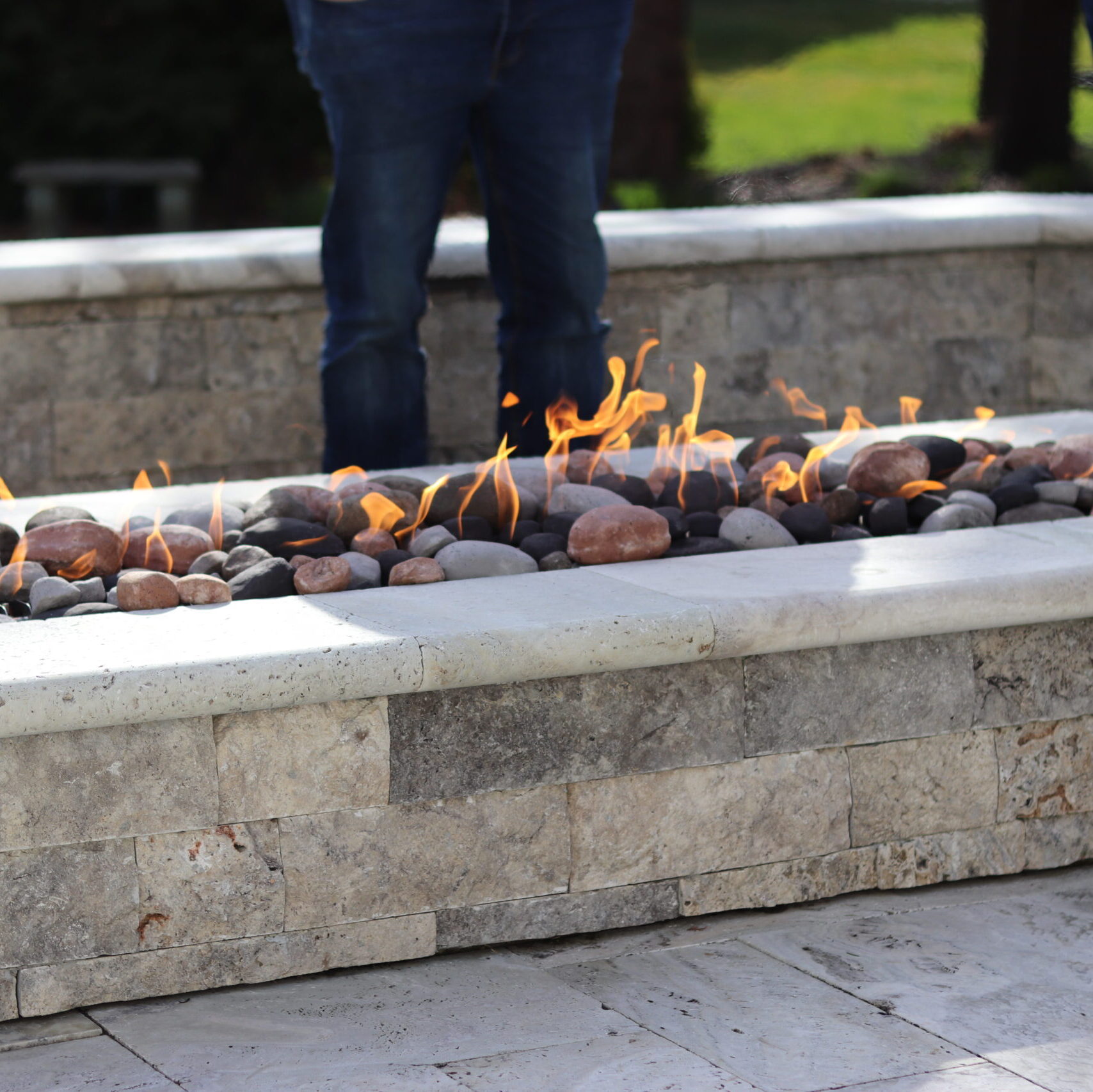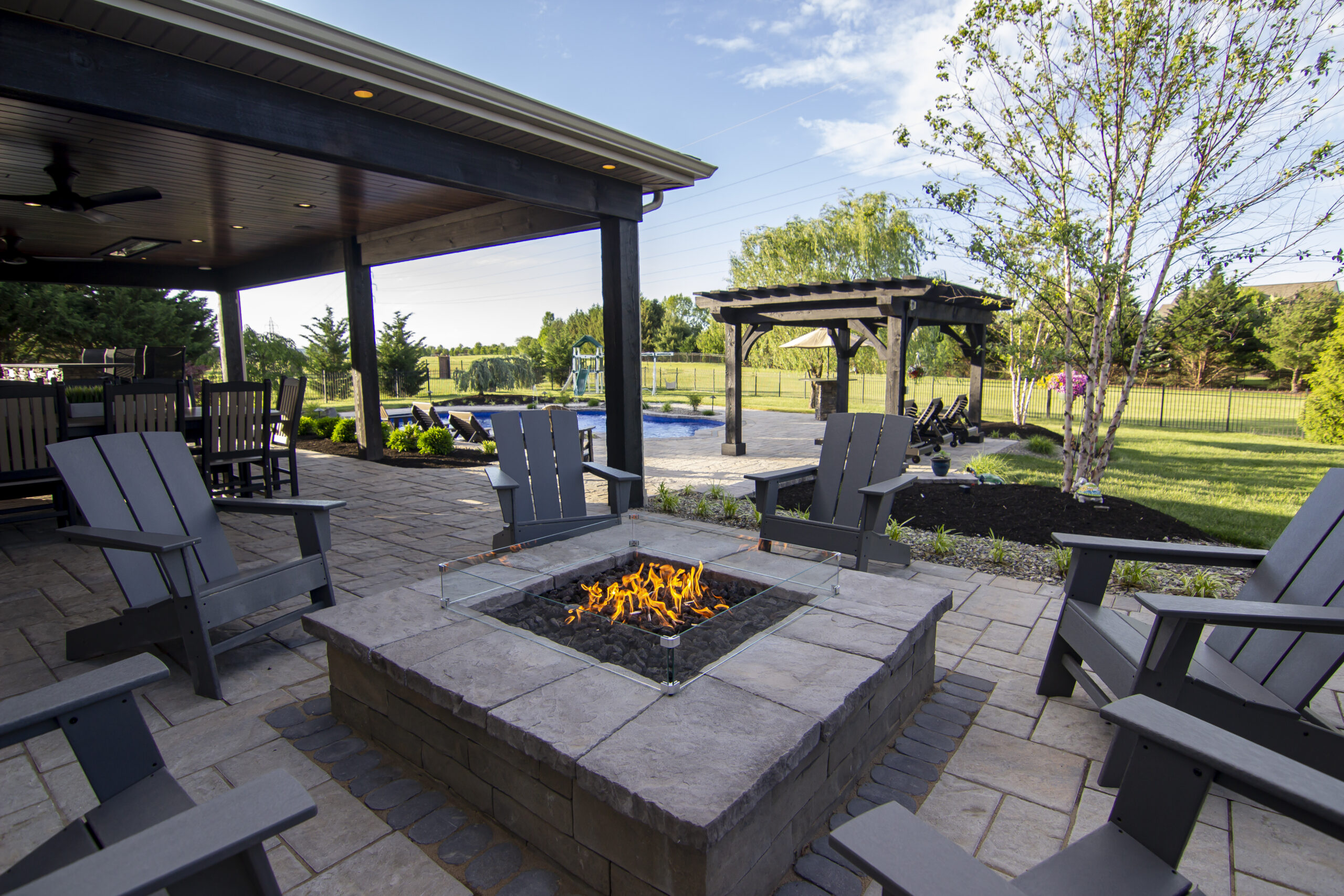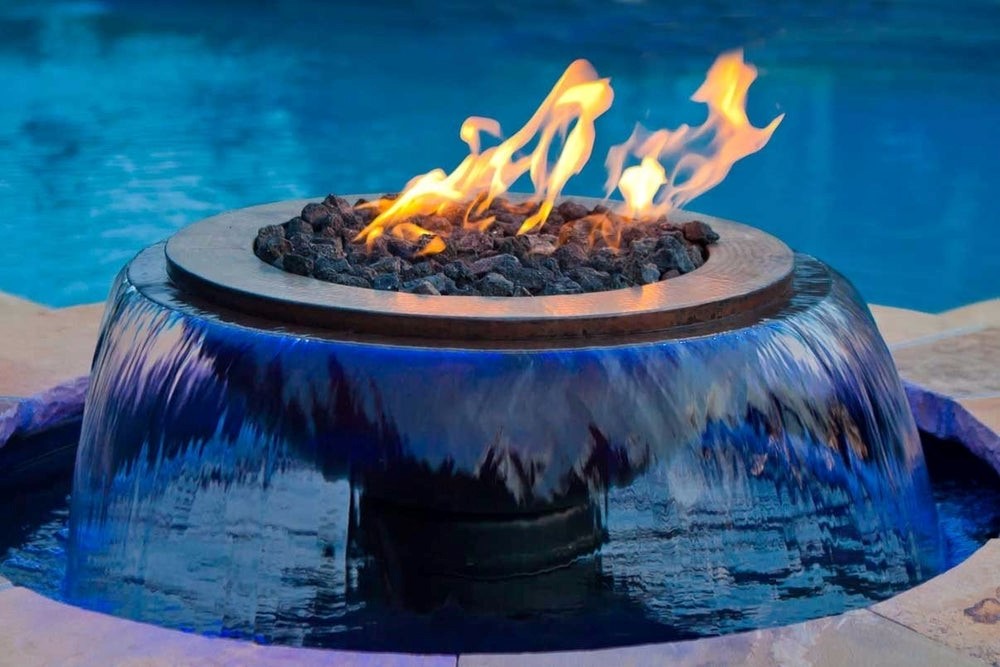
An outdoor gas fire feature can transform a patio, backyard, or outdoor living space into a place where family and friends gather and lasting memories are made. Protecting that investment starts with choosing the right partner. From design and installation to education and ongoing maintenance, HPC Fire Inspired® provides the expertise and certified products needed to help ensure your fire feature performs beautifully and reliably for years to come.
HPC’s team of certified experts carefully considers every aspect of fire feature design and provides the knowledge homeowners need to keep their systems operating at peak performance.
In this Tech Talk, we will explore how routine maintenance can help protect your investment, extend the life of your fire feature, and support reliable performance season after season.
Whether you own an HPC Fire Inspired® fire pit, fire pit insert, or burner system, an annual inspection is an important opportunity to remove debris, evaluate key components, and identify potential issues before they become problems.
Here is HPC’s guide to the essential maintenance tasks every fire feature owner should understand.
Start with a Visual Inspection
Before cleaning or inspecting your fire feature, turn the appliance off and allow all components to cool completely. If your unit has an electrical ignition system, follow the owner’s manual for safely disconnecting power before performing maintenance.
Begin with a visual inspection of the entire installation:
- Visible damage, corrosion, or deterioration.
- Loose or damaged components.
- Cracks or deterioration in the fire pit enclosure or surrounding materials.
- Signs of water accumulation inside the burner pan or fire feature.
- Debris, leaves, spiderwebs, or insect nests around the burner and ignition components.
- Signs of unusual discoloration, heavy soot, or heat damage.
Pay particular attention to areas where moisture may collect. Outdoor appliances experience changing temperatures and weather conditions, so finding signs of deterioration early can help prevent more significant problems.
Important Safety Tip: If you smell gas, suspect a leak, or notice damaged gas connections, do not operate the fire feature. Avoid flames, sparks, and electrical switches, leave the area immediately, and contact your gas supplier or emergency services from a safe location.
Clean the Burner Area
Over time, dirt, dust, leaves, insects, and other debris can collect around the burner and burner pan. This buildup may interfere with gas distribution, affect flame appearance, or obstruct ignition components.
Allow the appliance completely cool and shut down:
- Carefully remove the fire media as directed by the owner’s manual.
- Inspect the burner and surrounding pan for debris, corrosion, or visible damage.
- Remove loose debris using a soft brush or another cleaning method approved by HPC.
- Inspect accessible burner openings for visible obstructions,
- Check the burner pan for standing water, excessive corrosion, or deterioration.
Never enlarge burner ports, drill additional holes, or use objects that could damage the burner openings. Changes to burner ports can affect combustion and appliance performance.
If you find significant corrosion, damaged burner tubing, blocked ports that cannot be safely cleared, or other structural damage, have the unit evaluated by a qualified service professional.
Inspect and Maintain Your Fire Media
Fire glass, lava rock, ceramic river rock, and decorative logs contribute to the appearance of your fire feature. They can also affect airflow and the way flames develop around the burner.
Remove and inspect the media as permitted by your owner’s manual
Look for:
- Dirt, leaves, and other debris.
- Broken or deteriorated decorative materials.
- Media that has shifted and covered burner openings.
- Excessive buildup around ignition components.
- Black soot deposits or unusual discoloration.
Reinstall the media according to the instructions for your specific burner and appliance.
Too much media can restrict airflow, interfere with ignition, or change the flame pattern. Too little media or incorrectly positioned media can also affect the intended flame appearance and heat distribution. Some burner designs require specific components or openings to remain exposed. Always follow the manufacturer’s guidelines rather than assuming all burners should be covered the same way.
HPC Fire Inspired Tip: Proper media placement is part of supporting the fire feature’s intended performance. When in doubt, consult the installation manual for your exact model.
Check the Ignition System
Your fire feature’s ignition system is essential to reliable operation. Depending on the model, it may use a manual ignition method or an electronic ignition system. Inspect accessible ignition components for dirt, debris, moisture, corrosion, or visible damage.
For electronic ignition systems, look for:
- A visible buildup of dirt around the ignition electrode.
- Loose or visibly damaged wires.
- Damaged insulation or connectors.
- Signs of moisture around electrical components.
- Physical damage to the electrode or its mounting.
Do not bend electrodes, alter their position, or disassemble ignition components unless specifically permitted by the manufacturer. After maintenance, follow the prescribed lighting procedure when testing the appliance.
If the fire feature repeatedly clicks without igniting, lights inconsistently, or shuts down unexpectedly: stop trying to ignite it and consult the owner’s manual. Persistent ignition issues may indicate a problem with the gas supply, electrical connections, electrode positioning, flame sensing, or other components requiring professional diagnosis.
Protect the Fire Feature From Moisture
Rain, snow, condensation, and irrigation can introduce moisture into the burner area, ignition system, and enclosure. Standing water and repeated exposure to moisture may contribute to corrosion or ignition difficulties.
During your annual inspection:
- Check for standing water where accessible.
- Inspect the burner pan and visible metal components for corrosion.
- Look for potential signs of obstruction in drainage paths.
- Check covers for tears, deterioration, or poor fit.
- Inspect accessible electrical components for visible moisture damage.
Use only covers and protective measures designed for your specific installation and approved by the manufacturer. Covers should protect the appliance without trapping moisture. Do not run the fire feature if water has entered components that must remain dry or if you suspect damage to the gas or electrical system. Consult the owner’s manual or a qualified service professional before restarting the appliance.
Inspect the Surrounding Installation
Maintenance should include more than the burner itself. Check the area around the fire feature for anything that could interfere with safe operation.
Look for:
- Leaves and combustible debris blocking ventilation openings
- Vegetation that has grown too close.
- Objects stored within required clearance areas.
- Deterioration of the supporting structure or enclosure.
- Changes to nearby furniture, walls, overhead structures, or landscaping.
Safety Warning: Always maintain the clearances and installation requirements specified in the owner’s manual. Do not use the fire feature if landscaping, construction, or other changes have altered the installation. If you notice movement, cracking, heat damage, or other deterioration around the fire feature, stop using the appliance and have it evaluated by a qualified professional.
Check Gas Supply and Connections
A reliable gas supply is essential for proper fire feature operation. Homeowners can visually inspect accessible areas for obvious damage, but gas pressure and leak testing, regulator evaluation, and gas-line repairs should always be performed by a qualified professional.
Signs Further Investigation Is Warranted:
- Repeated difficulty lighting the burner.
- Flame height that has changed noticeably.
- Uneven or unstable flames.
- A burner that operates normally at first but deteriorates during use.
- Repeated shutdowns or unexplained performance changes.
These symptoms do not necessarily indicate incorrect gas pressure. Other causes may include restricted piping, insufficient gas flow, regulator issues, burner obstructions, or ignition-system problems. A qualified technician can evaluate the system under operating conditions to identify whether the gas supply, pressure, flow, or appliance components require attention.
Safety Warning: Never use an open flame to test for gas leaks.
Protect Your Fire Feature Between Uses
Routine care throughout the year can reduce the amount of work required during annual maintenance.
- When the fire feature is completely cool and not in use:
- Remove loose leaves and debris from the surrounding area.
- Keep the appliance clean and free of unnecessary obstructions.
- Use an appropriate protective cover when recommended by HPC.
- Keep decorative media arranged according to the manufacturer’s instructions.
- Address visible deterioration before it becomes more serious.
If your area experiences freezing temperatures, heavy rainfall, or extended periods of seasonal inactivity, follow the owner’s manual for required winterization and storage procedures. Do not assume all fire features require the same protection. Requirements vary by model, ignition system, fuel supply, and installation.
Conclusion: A Little Maintenance Goes a Long Way
Your HPC Fire Inspired® fire feature is designed to enhance your outdoor living experience for years to come. Regular cleaning, annual inspections, proper protection from the elements, and attention to changes in performance can help ensure safe, reliable operation season after season.
Consistency is key: inspect the appliance annually, maintain the burner area and fire media as specified, monitor flame performance, and address concerns promptly.
Always follow the owner’s manual for maintenance requirements specific to your HPC Fire Inspired® model. For gas, electrical, ignition, or combustion issues, rely on a qualified professional for proper diagnosis and repair.
Need help with your HPC Fire Inspired® fire feature? Contact HPC’s Technical Support team for guidance on maintenance, troubleshooting, and product-specific questions. We are here to help you protect your investment and keep your fire feature performing at its best.