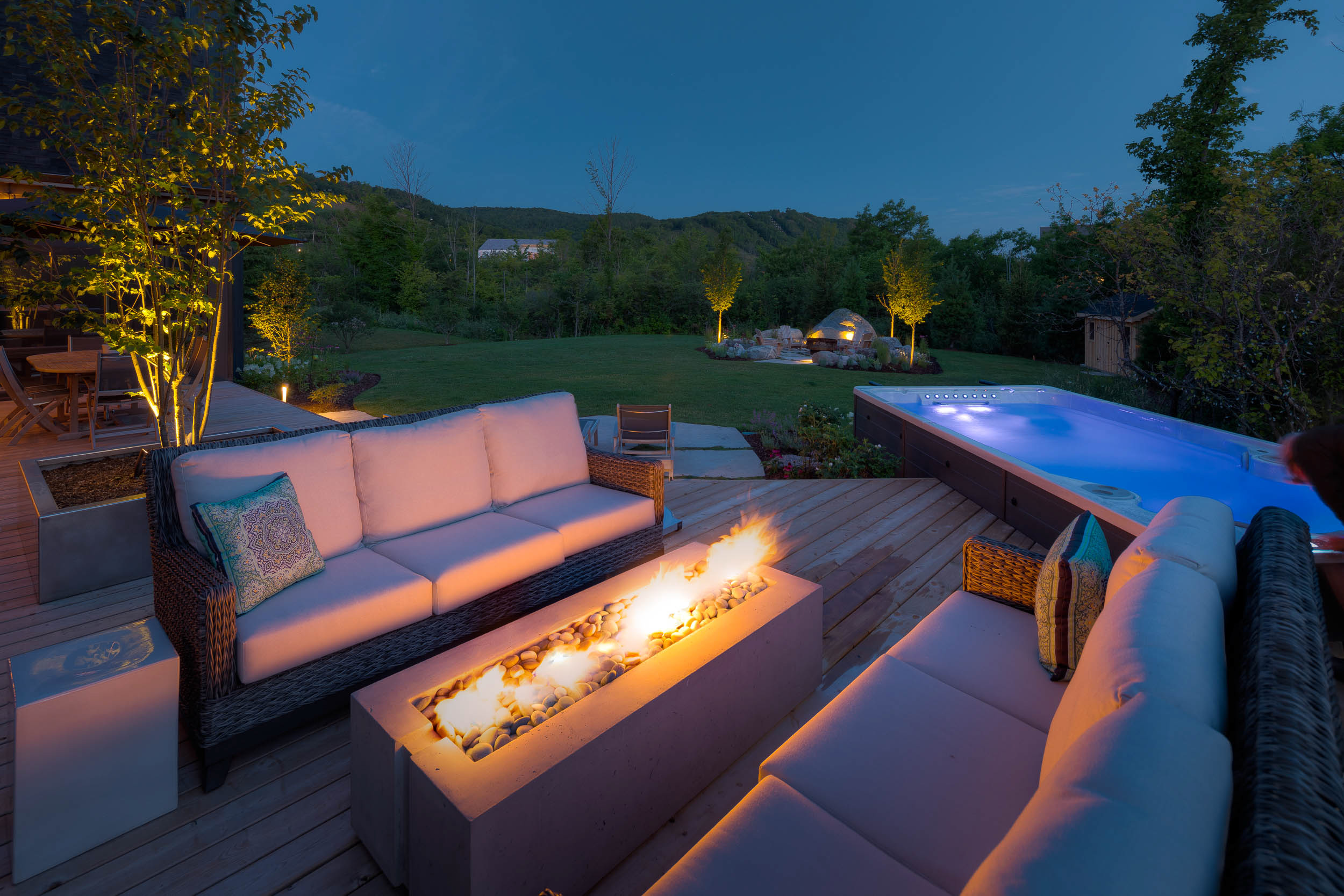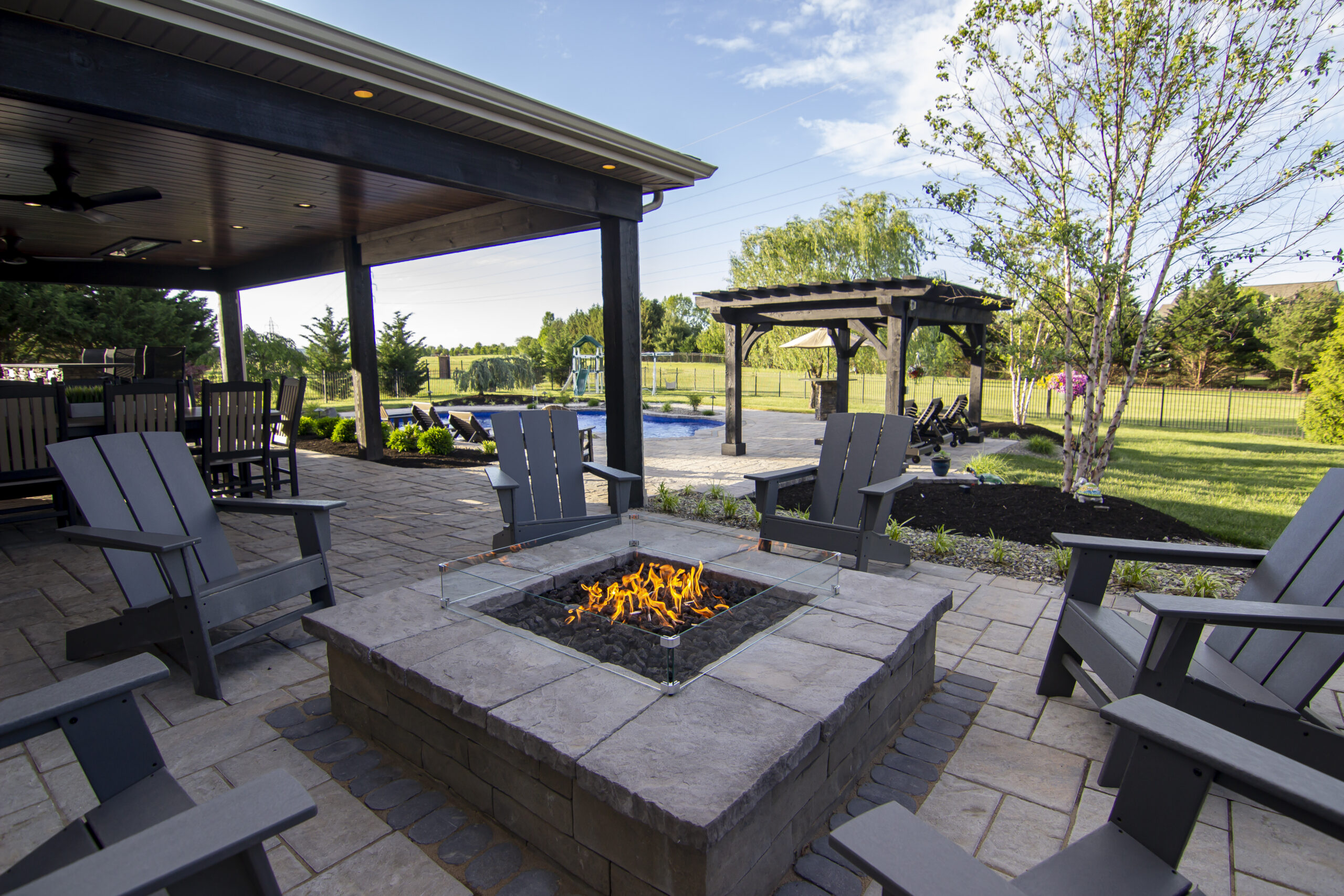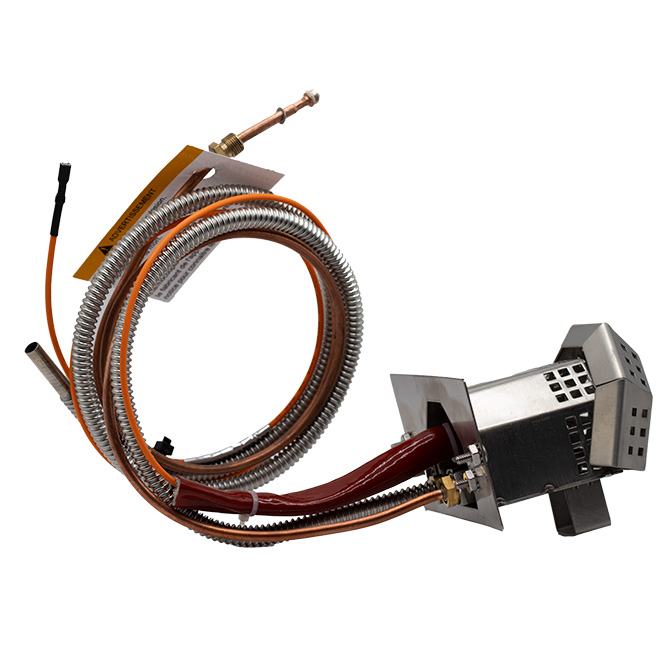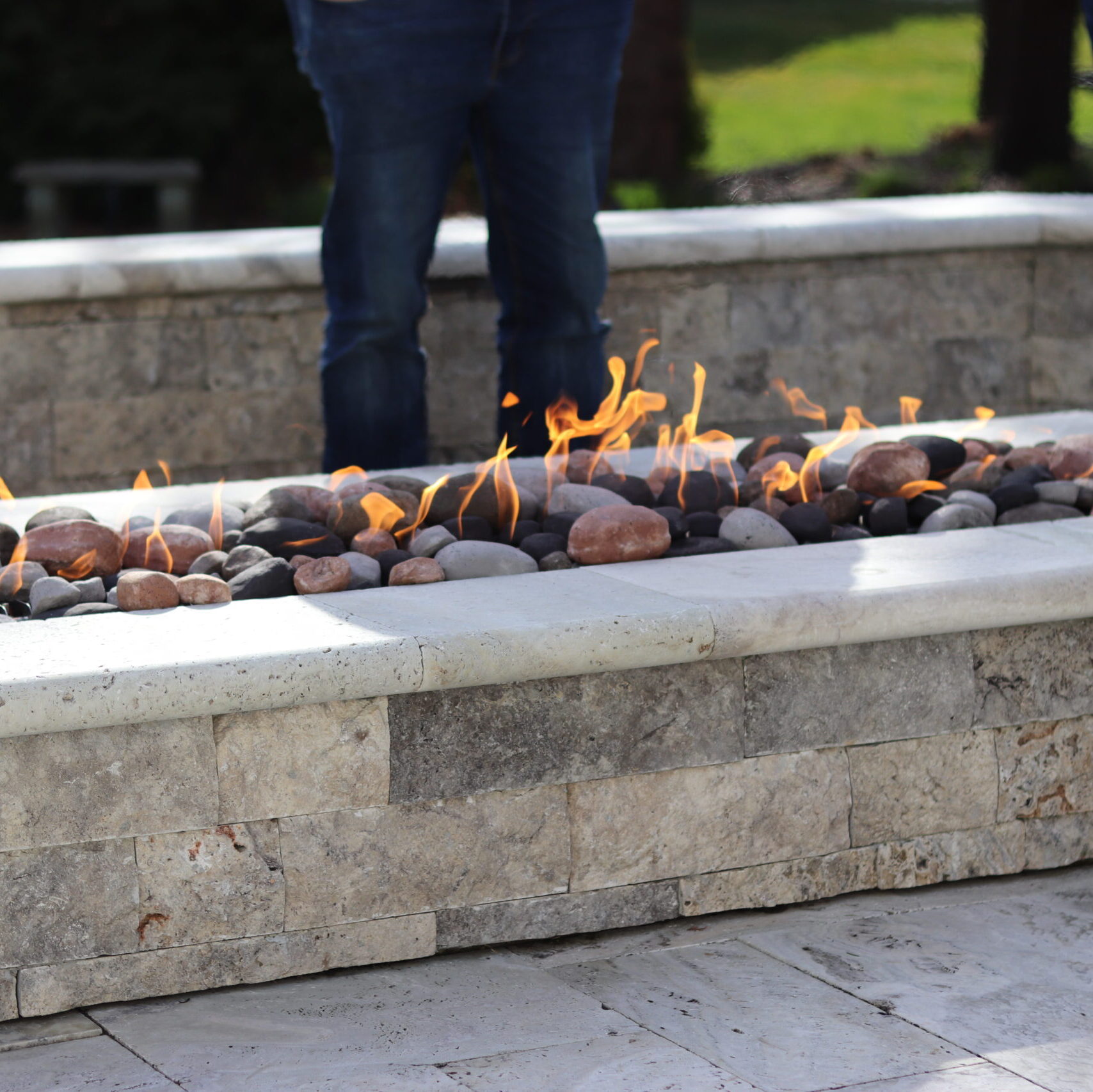
When designing an HPC Fire Inspired fire pit, homeowners and designers typically focus on the feature’s shape, size, materials, and overall aesthetic. However, selecting fire media is often overlooked during the design stages. While it may seem like a finishing detail, fire media plays an integral role in the appearance and performance of the fire feature. Fire glass, lava rock, ceramic river rock, and fire logs each create a distinctly different visual experience, but their impact extends well beyond aesthetics. The type, size, placement, and depth of the media can affect flame presentation, airflow around the burner, and overall fire-feature performance. Fire media plays an essential part of the overall design, helping shape the flame, enhance the finished look, and contribute to the overall performance of the fire feature. In this tech talk, our experts will delve into the true importance of fire media.
What Is Fire Media?
Fire media is the material placed around and over a gas fire pit burner to create the finished appearance of the fire feature.
HPC’s options include:
· Fire glass (multiple colors to choose from)
· Lava rock
· Rolled lava rock
· Ceramic River Rock
· Fire logs
Fire media should be viewed as a functional part of the fire feature—not simply as decoration. Proper media selection and application help support airflow, flame presentation, ignition, and long-term performance.
How Fire Media Changes the Flame
An HPC gas burner produces the flame, but the media surrounding that burner helps shape the overall fire presentation. The important word is interaction. The burner, gas supply, air, and fire media must work together.
Media can influence:
· Flame visibility
· Flame distribution
· Flame movement
· Heat retention
· Airflow around the burner
· The appearance of flame height
· The overall style of the fire feature
HPC’s burner and fire media designs account for the relationship between gas flow, oxygen, heat distribution, and media depth. When the correct media is applied properly, the result is more consistent ignition and a balanced flame presentation.
When too much media is added, airflow can become restricted. This may contribute to delayed ignition, low or uneven flames, or safety shutdowns on certain systems.
On the other hand, insufficient media can leave too much of the burner exposed, changing the intended flame pattern and increasing heat exposure to burner components.
Fire Glass: A Modern, Reflective Flame
Fire glass is a popular choice for homeowners looking for a contemporary or upscale appearance.
Because the pieces are uniform, fire glass can create a clean and consistent surface across the burner pan. The glass also reflects light from the flame, creating added visual depth and sparkle.
For HPC Fire Inspired fire features, fire glass can be used to create a wide range of design styles while maintaining proper burner coverage when installed according to product instructions.
What You Should Know About Fire Glass
The goal is not to simply add as much glass as possible. Media depth matters.
Too much fire glass can interfere with airflow and affect ignition or flame performance. Proper installation helps keep clear airflow pathways while still providing the finished appearance homeowners expect.
Always follow the manufacturer instructions for the specific burner and fire feature, as media requirements vary by product.
Lava Rock: A Natural and Traditional Look
For homeowners who prefer a more organic appearance, lava rock is a popular choice.
Its irregular shapes create a natural landscape-inspired look that works particularly well with stone, concrete, and rustic fire pit designs.
Lava rock also creates spaces between the individual pieces, allowing air to move through the media. Lava rock can provide a ventilated base and support efficient combustion when properly applied.
However, the size and shape of lava rock also affect what burner it should be paired with. Larger pieces may create gaps or pockets around certain burner designs. This is particularly important when working with burner systems that require specific ports or nozzle heads to remain exposed. For that reason, the right media is not always interchangeable from one burner to another.
Rolled Lava Rock
Rolled lava rock offers a smoother, more uniform alternative while maintaining a natural appearance. It can be an excellent choice for homeowners who want something less formal than fire glass but more refined than traditional irregular lava rock.
Ceramic River Rock: Bringing Nature to the Fire Pit
Natural-looking stone can create a beautiful fire feature, but homeowners should understand that not every decorative stone is suitable for use in a gas fire appliance.
HPC offers ceramic river rock designed specifically for fire feature applications. These pieces designed to provide the appearance of natural stone while as meeting the standard for use around a gas fire system.
Ceramic river rock is ideal for those who are looking for:
· A natural landscape appearance
· An earthy, organic design
· A more substantial visual element around the flame
· A softer alternative to the reflective appearance of fire glass
The larger size of river rock can also influence how the flame moves and appears between the pieces, creating a more varied and natural-looking fire presentation.
Fire Logs: Creating the Traditional Campfire Experience
For homeowners who want the familiar appearance of a traditional wood fire, ceramic fire logs can transform the look of a gas fire feature.
HPC outdoor fire logs are designed to provide a realistic wood appearance while being manufactured from fire-rated refractory materials.
Logs create a different flame experience than glass or rock. Instead of seeing flame rise primarily from a bed of media, the flame moves around and between the log arrangement, creating the visual effect of a traditional campfire.
The placement of Fire Logs plays a critical role and must not be overlooked. Too many logs or improperly placed logs can interfere with burner operation and contribute to excessive heat buildup. The correct log set should be matched to the size and configuration of the fire feature.
Media Depth: Why More Is not Always Better
One of the most common mistakes homeowners make is assuming that adding more media will improve the appearance of the fire pit. In reality, applying excessive media can create performance problems.
Too much media may:
· Restrict airflow
· Delay ignition
· Reduce flame height
· Create uneven flame patterns
· Interfere with flame sensing or ignition components
· Cause certain systems to shut down
Designed To Compliment The Flame
The burner creates the flame, but the right fire media helps define the overall experience. More than a decorative finishing touch, properly selected and installed media can complement the surrounding outdoor design, enhance flame visibility, and contribute to the intended performance of the fire feature. Conversely, the wrong media—or media that is improperly sized, placed, or installed—can interfere with airflow, ignition, flame distribution, and overall system performance.
For this reason, HPC Fire Inspired views fire media as an integral part of the complete fire-feature design. The burner, burner pan, ignition system, and media work together as a system, and each component should be selected with the others in mind.
Whether the desired aesthetic calls for the modern brilliance of fire glass, the natural texture of lava rock, the organic character of ceramic river rock, or the timeless appeal of fire logs, the objective remains the same: select media that complements the design while working in harmony with the engineering behind the flame. When aesthetics and performance are considered together, fire media becomes more than a finishing detail—it becomes an essential part of creating a beautiful, functional, and thoughtfully designed fire feature