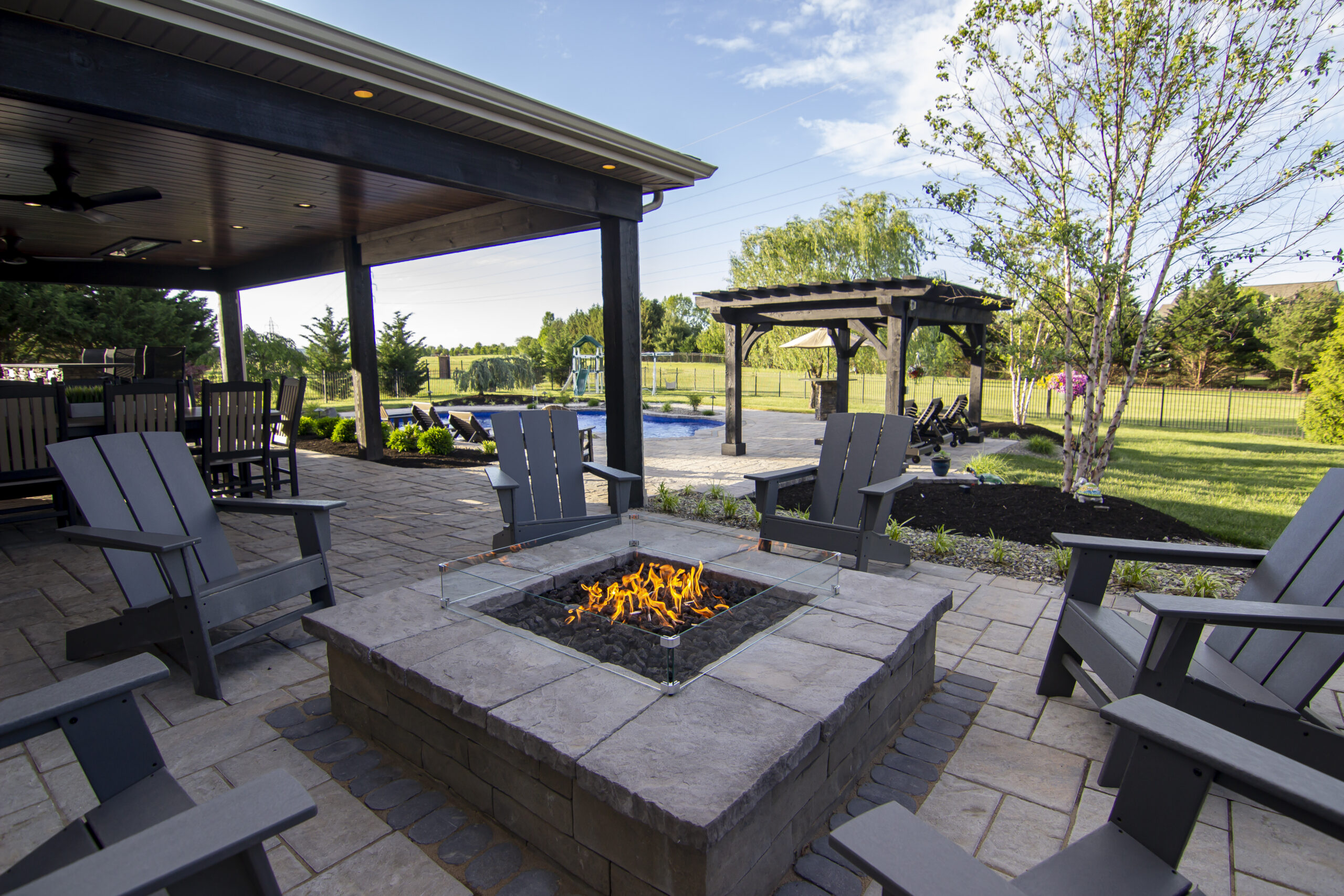
An HPC Fire Inspired outdoor gas fire pit is more than just a decorative feature, it is a precision-engineered appliance that combines gas delivery, combustion, ignition, and safety systems into one seamless outdoor experience. Like any gas appliance, regular maintenance is essential to ensure safe operation, consistent flame performance, and long-term reliability.
Whether your fire pit is used regularly or only for special occasions, an annual inspection is essential to identifying minor issues before they develop into costly repairs. Routine maintenance also helps preserve the flame appearance, safety, and reliable performance homeowners expect from an HPC Fire Inspired fire feature.
This annual maintenance checklist highlights the key components that homeowners, contractors, and service professionals should inspect to help ensure the fire feature is operating safely and performing at its best before the outdoor entertaining season begins.
Why Annual Maintenance Matters
Unlike indoor gas appliances, outdoor fire pits are continuously exposed to the elements. Rain, snow, UV rays, insects, dust, leaves, and seasonal temperature fluctuations all contribute to normal wear over time. Without regular inspection and maintenance, these environmental factors can affect performance, reliability, and safety, potentially leading to:
· Uneven flame patterns
· Delayed ignition
· Reduced heat output
· Burner corrosion
· Obstructed gas flow
· Ignition system failures
· Shortened component life
An annual inspection helps ensure your fire pit operates safely while maintaining peak performance throughout the season.
Annual Fire Pit Maintenance Checklist
1. Inspect the Burner
HPC Fire Inspired burners, including the popular Penta Burner and Torpedo Burner, are manufactured from heavy-duty stainless steel for exceptional durability and corrosion resistance. Backed by the Hassle-Free Lifetime Burner Warranty, these burners are built to provide years of reliable performance. Routine cleaning and inspection help preserve the burner’s engineered flame pattern, ensuring consistent operation and optimal flame presentation over time.
2. Clean Decorative Fire Media
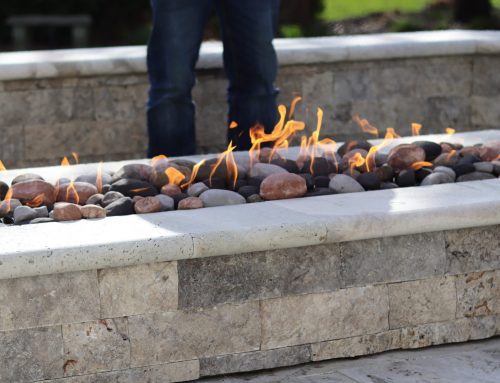
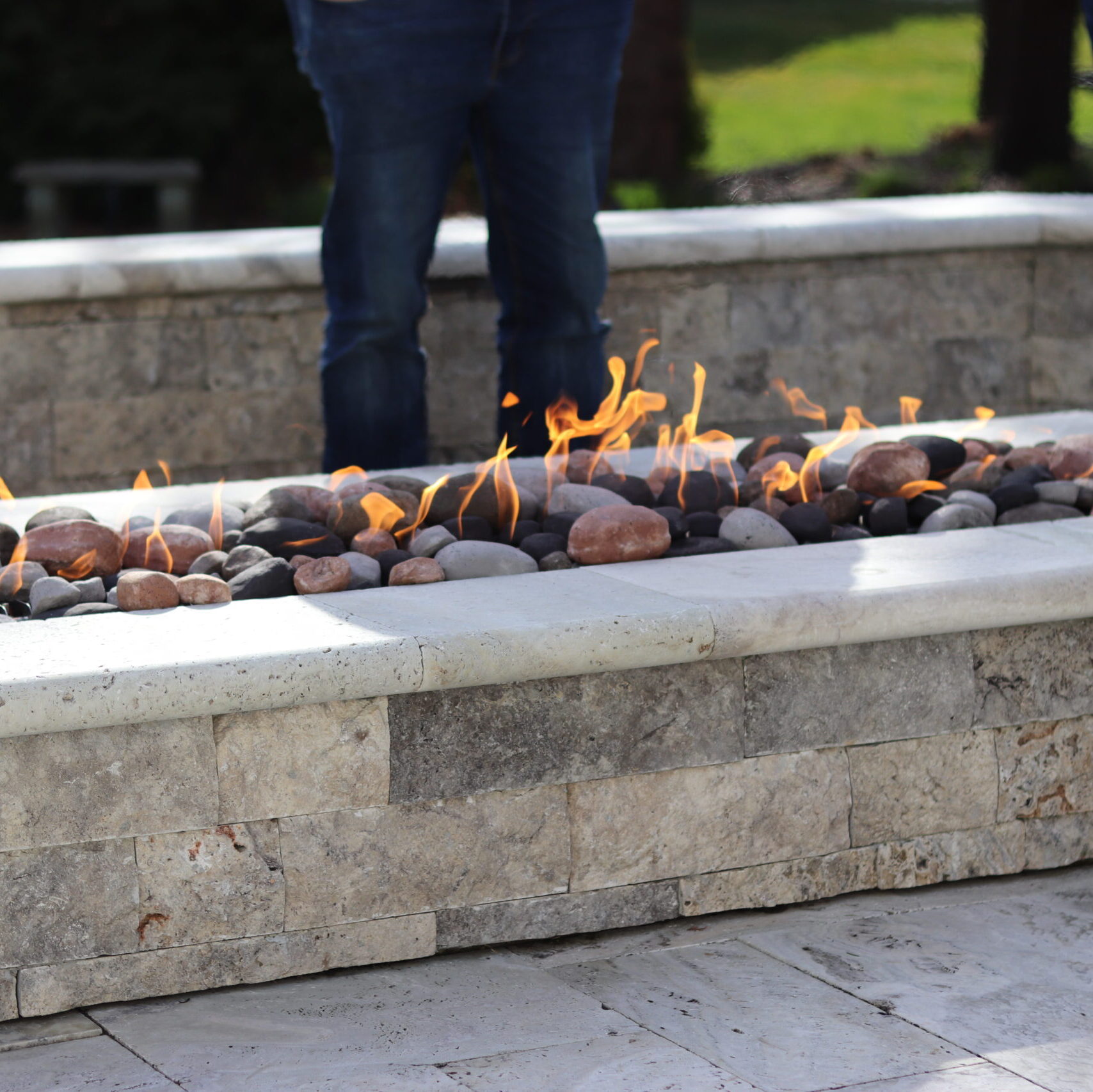
Annual inspection of fire glass, lava rock, ceramic logs, and decorative stones should be conducted. Here is what consumers should look for:
· Dirt buildup
· Broken glass pieces
· Cracked ceramic logs
· Organic debris
· Uneven media distribution
Clean or replace media as needed and avoid overfilling the burner area. Excessive media can restrict airflow and negatively affect combustion.
3. Inspect the Ignition System
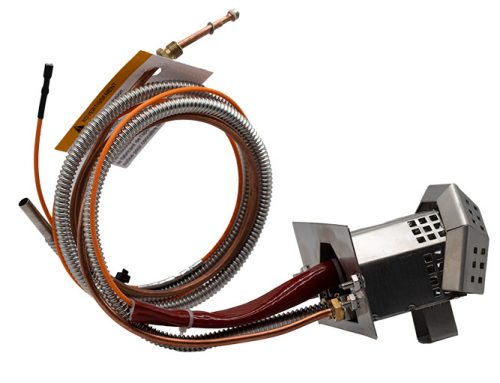
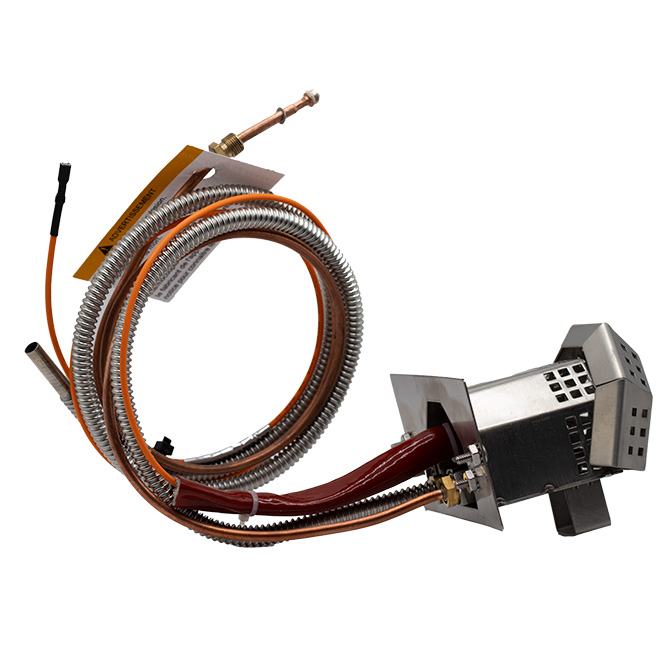
All HPC Fire Inspired® electronic ignition systems incorporate continuous flame monitoring technology that automatically shuts off the gas supply if the flame is extinguished. An annual inspection helps ensure these critical safety features continue to operate as designed. For fire pits equipped with an electronic ignition system, verify that all ignition and flame-sensing components are clean, secure, and functioning properly. Key components to inspect include:
· Hot Surface Igniter
· Thermocouple
· Wiring connections
· Valve Assembly
· Operational Controls
Clean any carbon buildup on ignition components according to manufacturer recommendations. If ignition becomes inconsistent, inspect the entire ignition sequence before replacing components.
4. Verify Gas Connections
Inspect every accessible gas connection. Looking for:
· Lose fittings
· Corrosion
· Damaged flex lines
· Worn seals
· Signs of leakage
After servicing, replacing, or disconnecting gas components have, it is imperative to perform a leak test using a soap-and-water solution or an approved electronic gas detector. Never use an open flame to check for gas leaks.
5. Remove Moisture and Debris
Outdoor fire pits naturally collect moisture throughout the year. Inspect burner pan and enclosure for:
· Standing water
· Leaves clogging burner pan weep holes
· Media debris clogging weep holes
· Dirt in the burner pan
· Animal and insect nests
Verify that all drainage openings and weep holes are clear and free of debris. If water has accumulated inside the burner pan, allow the burner pan and burner to dry completely before operating the fire pit.
6. Examine the Fire Pit Structure
The fire pit enclosure should also receive a thorough inspection. Check for:
· Loose stone veneer
· Cracked concrete
· Damaged mortar joints
· Corrosion on metal frames
· Signs of settling
· Keep ventilation openings clear of leaves and debris
Address structural concerns before they affect burner alignment or gas line plumbing.
7. Evaluate Flame Performance
The unique geometry of the HPC Fire Inspired Penta Burner is engineered to distribute gas evenly across the burner, creating a fuller, more natural-looking flame. If flame characteristics change noticeably over time, routine cleaning and maintenance are often all that is required to restore optimal performance. After completing all cleaning and maintenance procedures, observe the fire feature and the burner during normal operation. A properly functioning fire pit should produce:
· Even flame distribution
· Stable flames
· Consistent flame height
· Quick ignition
· Minimal soot production
Uneven flames often indicate clogged burner ports or restricted gas flow. The unique geometry of the HPC Penta Burner is designed to distribute gas evenly across the burner surface, helping create a fuller, more natural flame. If flame characteristics change significantly, maintenance is often all that is needed to restore peak performance.
8. Inspect Stainless Steel Components
Although stainless steel offers exceptional corrosion resistance, periodic cleaning helps preserve both appearance and longevity. Avoid using Steel wool, abrasive pads, chlorine based or acidic cleaners as they will scratch or discolor the stainless steel. Instead use:
· Mild soap
· Warm water
· Soft clothes
If you are in a coastal environment, periodically rinse components with fresh water to remove salt deposits.
9. Test Safety Features
If your fire feature is equipped with electronic ignition or flame sensing technology, verify operation of:
· Electronic ignition
· Flame sensing system
· Emergency shutoff
· Control valves
· Remote controls
· Timer functions
Verify that all safety systems are functioning properly before operating the fire pit.
10. Install a Protective Cover
One of the simplest maintenance practices is protecting the fire pit when it is not in use.
A properly fitted cover helps reduce exposure to:
· Rain
· Snow
· Dust
· UV radiation
· Leaves
· Animal intrusion
Reducing environmental exposure can significantly extend the life of both cosmetic and mechanical components.
An annual maintenance routine is one of the most effective ways to protect your investment in an outdoor gas fire pit. A few hours spent inspecting, cleaning, and testing key components can help prevent performance issues, improve safety, and extend the life of the entire system.
The best maintenance programs start with the use of high quality components. HPC Fire Inspired products are engineered with durability in mind, using premium stainless-steel burners, precision-machined burner ports, and advanced ignition technologies that are designed for long-term outdoor performance.
Premium materials and precision engineering practices used by HPC Fire Inspired do not end the need for maintenance, but they do make it easier to keep your fire pit running at its best. By inspecting, cleaning, and testing key components each year, you can help support safe operation, preserve optimal flame performance, and extend the service life of your fire feature. With proper care and routine inspections, your HPC Fire Inspired fire feature will continue to deliver the reliable performance, beautiful flame presentation, and lasting durability you expect season after season.