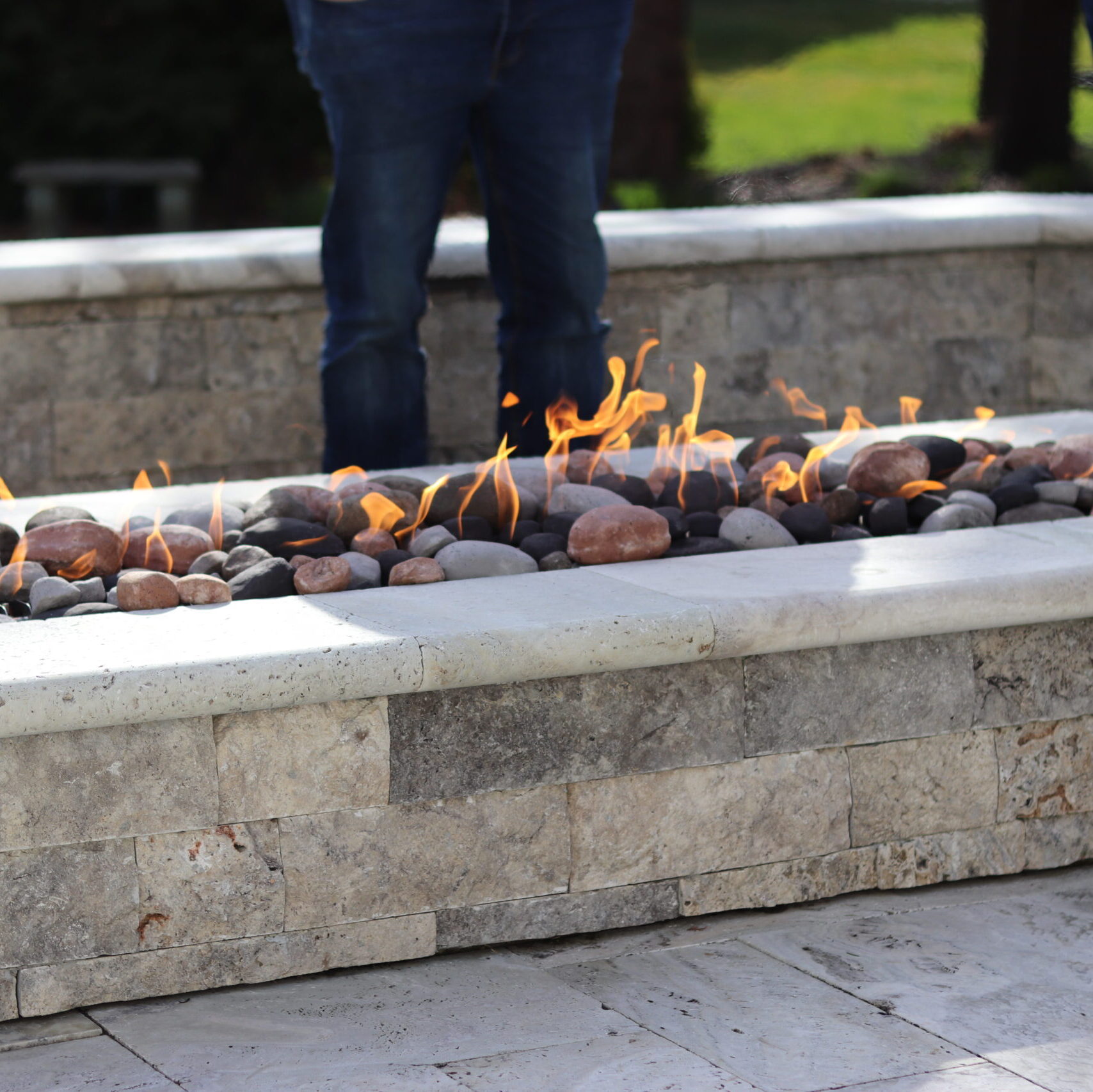
A successful outdoor fire pit installation begins long before the first flame is ignited. Thoughtful planning, high-quality components, and proper installation techniques are essential to ensuring the long-term performance, safety, and reliability of any gas fire feature.
Whether you are a landscape contractor, masonry professional, outdoor living specialist, or experienced DIY homeowner, following established installation best practices can help ensure your fire pit provides years of safe, dependable performance. Selecting a premium fire pit insert, such as those offered by HPC Fire Inspired, can further simplify the installation process while delivering the quality, functionality, and performance today’s homeowners expect from their outdoor living spaces. In this tech talk, HPC’s experts outline best practices for installation of fire features.
Start with the Right Foundation
A successful fire pit installation requires a stable, non-combustible foundation designed to provide adequate support and long-term durability. Whether the enclosure is constructed from concrete block, natural stone, or metal, it must be capable of supporting the weight of the fire pit while withstanding exposure to heat, weather, and outdoor conditions.
Before installing the fire pit insert, verify that:
• The enclosure is level, stable, and structurally sound.
• All materials are suitable and rated for outdoor, high-temperature applications.
• Adequate drainage has been incorporated into the design to prevent water accumulation.
• The installation follows all applicable local building codes and fuel gas regulations.
A properly constructed foundation helps prevent shifting or settling that could compromise burner alignment, gas connections, or overall system performance over time.
Plan for Proper Ventilation
Ventilation is one of the most overlooked aspects of fire pit installation. Gas appliances require airflow for safe combustion, and enclosed fire pit structures must include properly sized ventilation openings to prevent heat and gas from accumulating. Adequate ventilation also helps protect internal components from excessive heat buildup, improving both performance and service life. Always consult manufacturers’ ventilation requirements before installation.
Choose a Quality Fire Pit Insert
The insert is the heart of the fire feature. A well-designed insert combines the burner, burner pan, and ignition components into a complete system that simplifies installation while promoting consistent flame performance.
HPC Fire Inspired inserts are engineered to help contractors and builders streamline installation without sacrificing quality. Manufactured from durable stainless steel, our inserts are designed to provide long-term performance in demanding outdoor environments.
Available in a variety of shapes and sizes, HPC inserts make it easier to create custom fire features while maintaining a clean, professional installation.
Consider Ignition Options Early
Ignition selection should be part of the initial design process—not an afterthought.
Depending on the application, installers may choose:
• Match-lit systems
• Push-button ignition
• Electronic ignition
• Bluetooth wireless control
Electronic ignition systems are especially popular for luxury residential and commercial projects because they offer automatic lighting and integrated flame monitoring for added convenience and safety.
Planning for ignition early ensures the necessary gas and electrical connections are incorporated before construction is complete.
Don’t Forget Drainage
Outdoor fire pits are exposed to rain, snow, irrigation, and humidity throughout the year. Without proper drainage, standing water can damage burners, interfere with ignition systems, and accelerate corrosion.
Fire pit installations should include drainage provisions beneath the insert to allow water to escape rather than collect inside the burner pan. This simple step can significantly improve long-term reliability.
Verify Gas Connections
Before operating the fire pit, inspect every gas connection for proper installation.
Confirm that:
• Gas lines are correctly sized.
• Fittings are secure.
• Approved leak-testing procedures have been completed.
• Shutoff valves remain accessible.
Proper gas supply is essential for achieving consistent flame height and efficient burner performance.
Finish with Decorative Fire Media
Once the insert has been tested, decorative fire media can be installed.
Whether using fire glass, lava rock, ceramic stones, or log sets, distribute the media evenly across the burner while following the manufacturer’s recommended coverage depth.
Overfilling the burner area may restrict airflow and negatively affect flame performance.
Why Contractors Choose HPC Fire Inspired Inserts
Professional installers value products that save time, reduce callbacks, and deliver consistent results.
HPC Fire Inspired inserts are designed with these priorities in mind by offering:
• Heavy-duty stainless steel construction
• Precision-engineered burner pans
• Multiple ignition options
• Compatibility with a wide variety of decorative fire media
• Easy integration into custom fire pit enclosures
• Reliable performance in residential and commercial applications
These features allow contractors to focus on craftsmanship while providing homeowners with a fire feature built to perform for years.
A successful fire pit installation is more than connecting a gas line and lighting a flame. Proper planning, ventilation, drainage, quality components, and careful attention to installation details all contribute to a safer, more reliable outdoor fire feature.
By incorporating an HPC Fire Inspired fire pit insert, installers gain a complete, professionally engineered foundation that simplifies construction while delivering the durability, safety, and impressive flame presentation customers expect.
performance.
Whether you are creating an intimate backyard gathering space or a large-scale commercial fire feature, adhering to proven installation best practices and selecting premium HPC components helps ensure every project delivers exceptional performance, durability, and long-term reliability.