Wind is one of the most unpredictable—and often underestimated—variables in outdoor fire feature design. While a fire pit may perform flawlessly in controlled conditions, even moderate wind can disrupt flame patterns, reduce heat output, and compromise ignition reliability. HPC systems are engineered for precise pressure control and combustion balance, ensuring flames remain stable—even when conditions change.
Effective wind mitigation should not be left as an afterthought—it is a core design discipline that ensures consistent performance, safety, and visual appeal. Before one can apply any wind mitigation strategies one must understand how wind impacts Fire Features.
How Wind Impacts Fire Designs:
Wind interacts with a gas flame in several critical ways:
· Flame Distortion
Airflow can stretch, flatten, or push flames, reducing visual consistency and design intent.
· Heat Loss
Wind accelerates convective heat loss, making even high-BTU systems feel underpowered.
· Flame Lift & Blow Off
Excessive airflow can lift the flame off the burner ports or extinguish it entirely, especially in improperly tuned systems.
· Ignition Disruption
Wind can prevent proper gas-air mixing during startups, leading to delayed or failed ignition.
Design Strategy #1: Recessed Burner Design
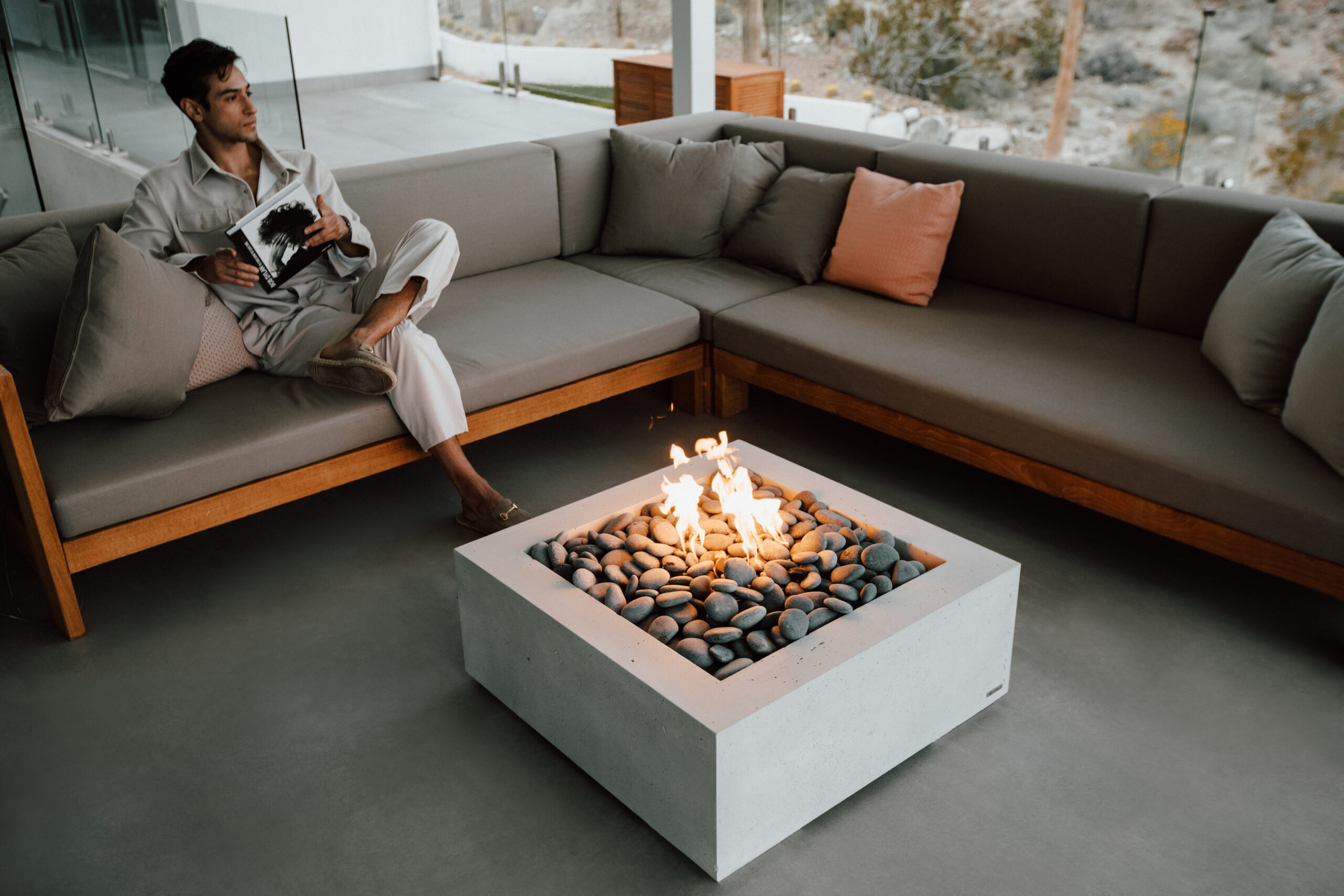
At HPC Fire Inspired, recessed burner configurations are engineered to protect the flame without sacrificing visual impact, maintaining a full, natural flame profile even in variable conditions. One of the most effective ways to combat wind is to design below the finished surface of your enclosure or vessel. Lowering the burner within the enclosure 2”-4” below its finished surface creates a natural wind barrier, preventing wind from lifting the flame off the burner. This strategy reduces direct crosswind exposure, stabilizes flame anchoring at the burner ports and improves ignition reliability.
Strategy #2: Wind Guards
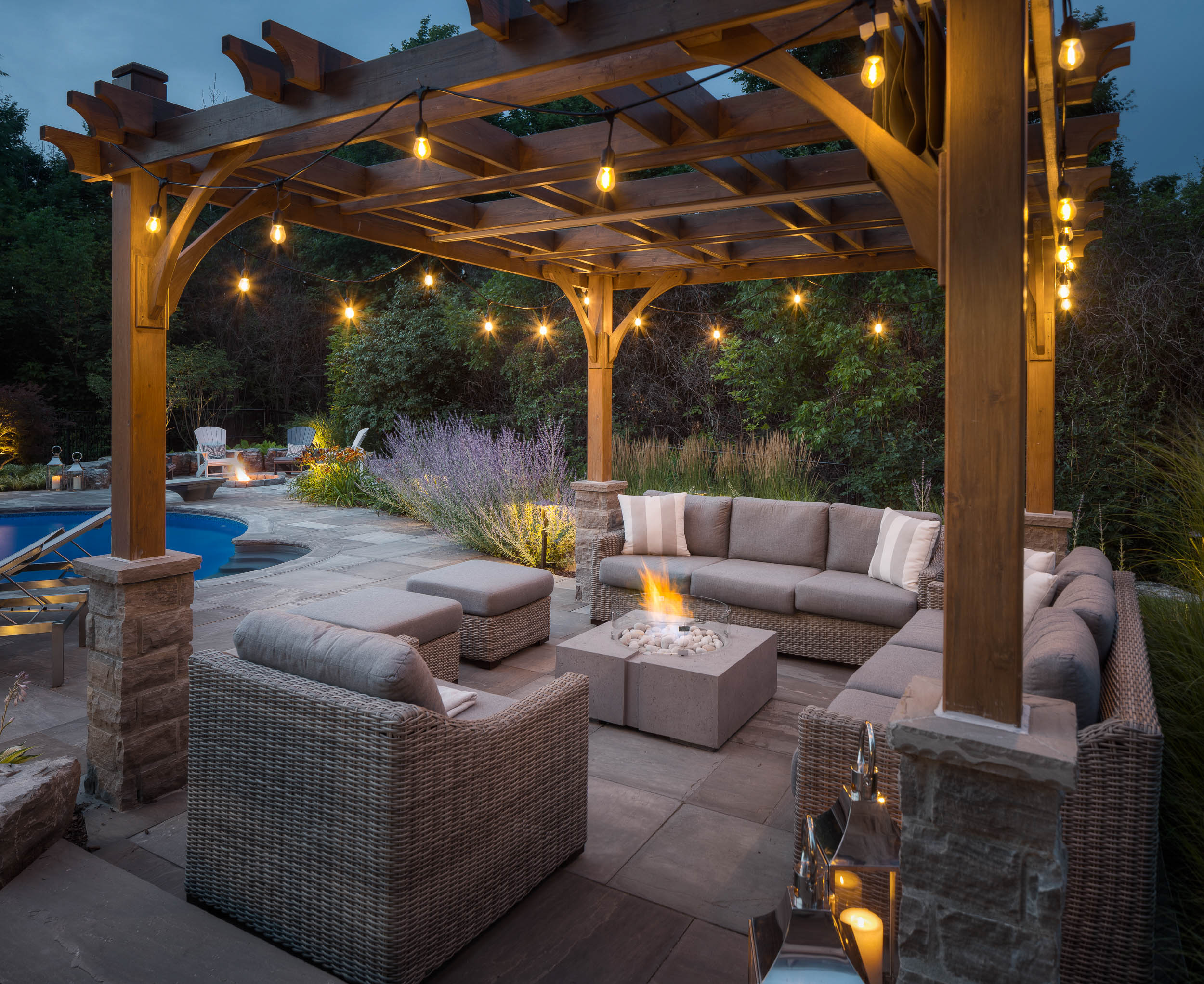
Consider a wind guard for your HPC fire feature, not only does this provide a first line of defense against airflow disruption but it also adds a more finished and refined look to your fire feature. Tempered glass wind guards will deflect horizontal wind, maintain consistent flame height and enhance safety in high traffic areas.
Strategy #3: Burner Port Engineering
Not all burners perform equally in wind. Key variables include port size, port spacing and port orientation. HPC burners are designed with precision port geometry, optimizing gas velocity and flame retention—even in challenging outdoor environments. Precisely sized and spaced burner ports create a stronger flame anchoring, making flames more resistant to wind disruptions.
Strategy #4: Fire Pit Media Selection
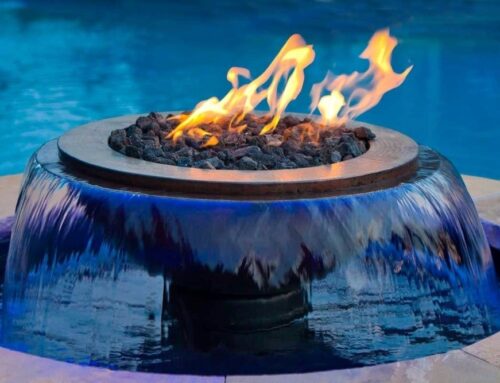
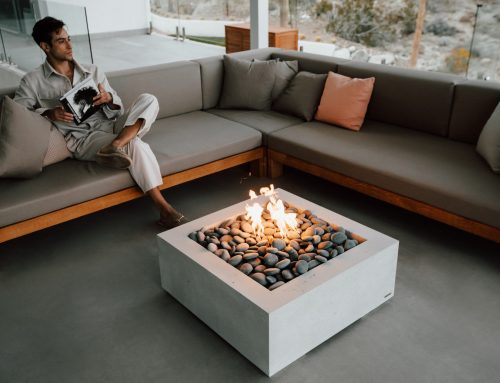
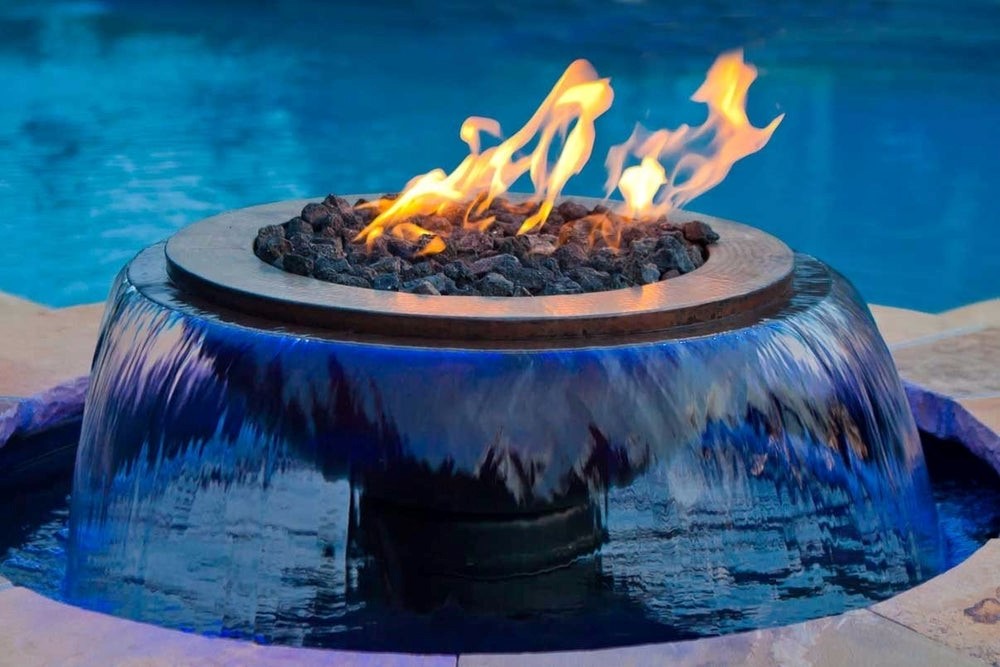
Fire feature media plays a bigger role than most people realize. Options such as lava rock fire glass and ceramic logs, not only complete the look and finish of your HPC fire feature but also plays a role in wind mitigation. When applied to the fire feature properly, fire pit media act as a diffuser, breaking up airflow and preventing the airflow from penetrating directly to the burner ports. Media will retain and radiate heat when correctly specified and installed. The media will also stabilize flame distribution within the media. Heavier or more densely packed media can improve wind resistance but must be balanced to avoid restricting gas flow.
Strategy #5: Gas Pressure & Flame Tuning
Wind mitigation is not just physical—it is also performance tuning. HPC systems are engineered for precise pressure control and combustion balance, ensuring flames remain stable—even when conditions change. By optimizing gas pressure, matching BTU output to the environment and fine-tuning air-to-fuel ratios. A Properly tuned HPC fire feature system produces a strong stable, anchored flame that will reduce airflow disruptions, and provide a reliable flame.
Strategy #6: Strategic Placement & Orientation
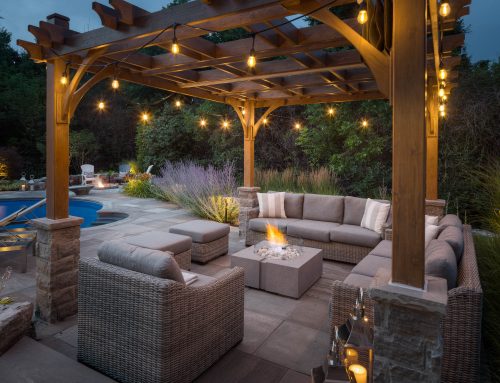
Sometimes the best solution is not mechanical—it is architectural. By positioning the fire feature near natural wind barriers, avoiding open corridors or “wind tunnels” and considering prevailing wind direction during the design process will help reduce flame disruption. Proper placement of your HPC fire feature will reduce the need for additional components and improve overall system efficiency.
Wind is inevitable—but inferior performance is not. Effective wind mitigation in burner systems requires an integrated approach of smart design, engineered components and proper installation. HPC’s fire features will deliver stable flames, reliable ignition, and consistent heat output performing even in challenging outdoor conditions. When you partner with HPC, you are sure to get thoughtful innovation that will stand the tests of Mother Nature. Contact HPC for all your fire needs at 937-436-9800.