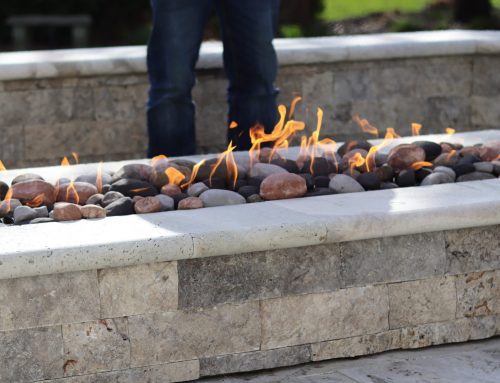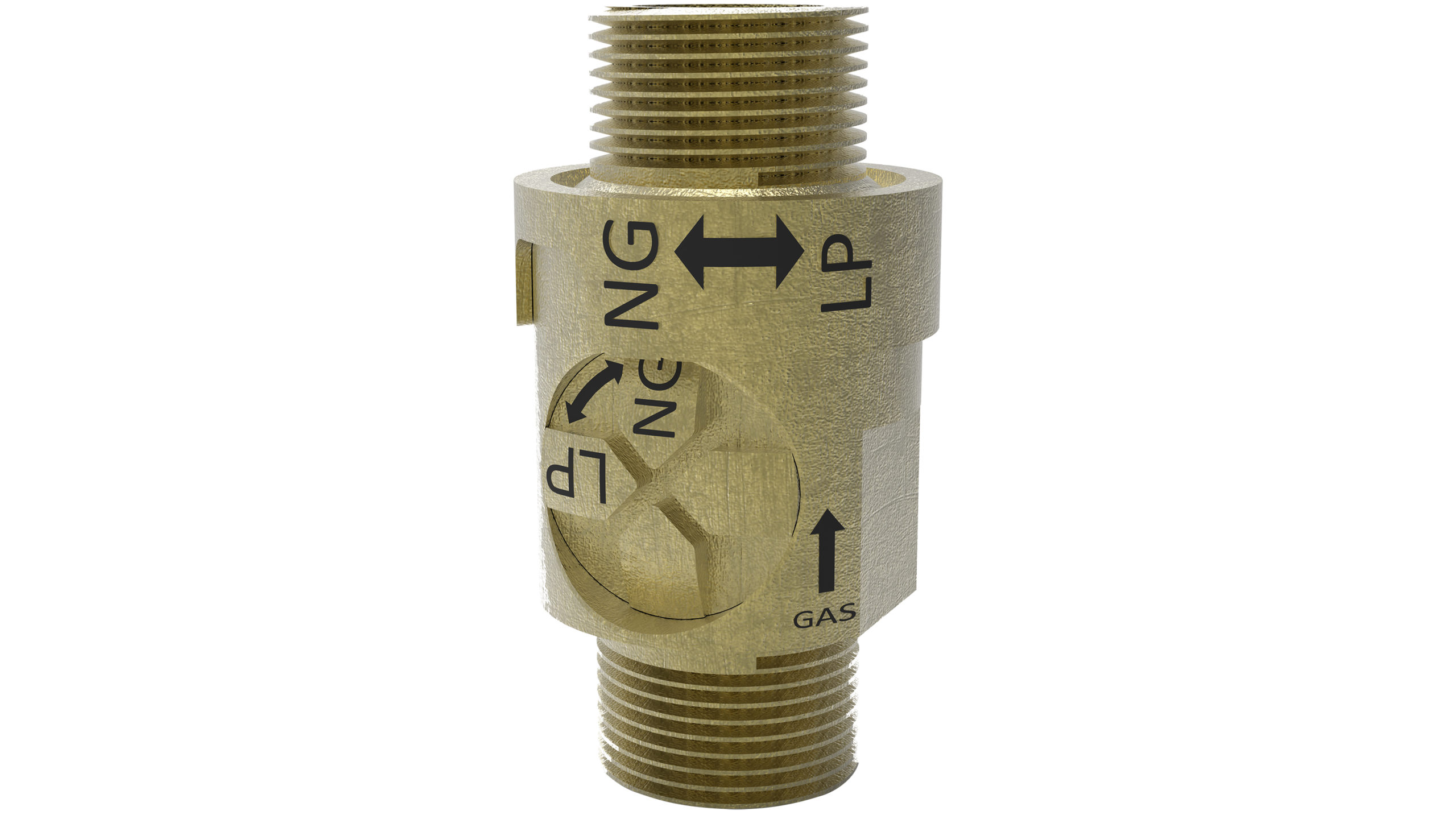
The performance of HPC Fire Inspired fire features does not start at the burner; in fact, it begins with the gas supply. Even the most advanced ignition system or precision-engineered burner will underperform if the gas delivery system is not properly designed. Pressure drops, undersized gas lines, and hidden flow restrictions are among the most common—and most misdiagnosed—issues we see in the field. Understanding these variables is critical to achieving consistent flame height, reliable ignition, and safe operation. Learn more about the importance of gas and how to create the proper conditions to achieve optimal performance.
The Foundation: Pressure vs. Flow
Gas system performance is driven by two interconnected factors:
· Pressure (WC Water Column) The force pushing gas through the system
· Flow (Volume or BTU) The volume of gas delivered to the burner
A system can have adequate pressure at the source but still fail to deliver sufficient flow at the burner due to restrictions along the way. Understanding these restrictions is crucial in supplying the correct gas flow to your fire feature.
Pressure Drop: The Invisible Performance Killer
Pressure drop occurs as gas travels through piping, fittings, and components. The longer and more restrictive the system, the great chance for pressure loss before reaching the burner.
Key Causes of Pressure Drop:
· Long pipe runs
· Multiple elbows and fittings
· Undersized gas lines
· Internal obstructions or debris
As distance and resistance increase, available pressure at the burner decreases; this directly affects performance. At HPC Fire Inspired, systems are engineered with real-world pressure loss in mind, ensuring burners perform as intended not just at the source, but at the point of combustion.
Line Sizing: Matching Pipe to Performance:
HPC design guidance emphasizes proper line sizing from the start, removing any guesswork and preventing costly field corrections. Correct gas line sizing ensures that the system can deliver the required BTU demand without excessive pressure loss.
Key Variables when sizing a gas line:
· Total BTU load
· Length of gas run
· Pipe diameter
· Fuel type (NG vs LP)
What Happens When Lines Are Undersized?
An undersized gas line causes restricted gas flow the fire feature causing a weak burner flame and small pilot flame which leads to reduced flame height, inconsistent burner performance, ignition failure, and nuisance dropouts.
Flow Restrictions: The Hidden Bottlenecks
HPC components are intentionally designed and tested as complete system solutions, minimizing internal restrictions and ensuring maximum flow efficiency. However, even with correct pipe sizing, localized restrictions can disrupt gas delivery.
Common Restriction Points in Gas Lines:
· Excessive fittings (90° elbows, tees)
· Flexible connectors with small internal diameters
· Use of Valves not rated for required BTU flow
· Debris, sediment, or moisture in lines
Each restriction creates localized pressure loss, compounding the overall system drop and reducing total available flow.
Real-World Symptoms of Gas Supply Issues
When gas delivery is compromised, the signs are often lead consumers to attribute the issue to burners or ignition systems. However, the true issue lies at the source. Some common indicators of gas supply issues are weak or lazy flame, flame variation, delayed or failed ignition and system performance preforming well initially, then degrading.
Best Practices for System Design
· Size Gas Lines for Total BTU Load
Account for all connected appliances, not just the fire feature.
· Minimize Fittings and Turns
Every elbow adds resistance—design for the most direct route possible.
· Verify Pressure at the Burner
Always measure WC at the burner—not just at the source.
· Use Properly Rated Components
Valves, connectors, and regulators must match system demand.
· Plan for Environmental Factors
Temperature and elevation can affect gas density and performance.
The HPC System Approach
At HPC Fire Inspired, gas delivery is not an afterthought—it is engineered as an integral part of the entire system. By combining properly sized gas lines, precision components, optimized burner design, and real-world installation considerations, HPC ensures every fire feature performs with consistency and reliability from source to flame.
Gas supply issues may not always be obvious, but they have a direct impact on performance. When pressure drops or inconsistencies arise, the root cause is often within the gas supply. Addressing proper line sizing and removing flow restrictions results in stronger, more stable flames, dependable ignition, and long-term system durability. When the system behind the flame is designed correctly, the flame itself performs exactly as intended.
HPC continues to set the standard as a leader in fire design innovation, delivering engineered solutions that professionals trust. Partner with the experts—contact our certified team today at 937-436-9800 to bring your next fire feature project to life with confidence.