A modern HPC Fire Inspired outdoor gas fire pit relies on electronic ignition systems to light quickly, safely, and reliably. At the heart of that system is a small but important component called a solenoid valve. This valve is responsible for opening and closing the gas flow whenever your ignition system calls for flame.
When gas pressure is within normal limits, the solenoid valve will operate smoothly for many years. However, when gas pressure climbs above the designated level, the solenoid valve can become less reliable and eventually fail.
This Tech Talk focuses on educating users about how high gas pressure affects a solenoid valve. In addition, HPC's experts outline early warning signs of improper gas pressure as well as discuss how technicians diagnose and resolve issues.
What a Solenoid Valve Does—Simple Explanation
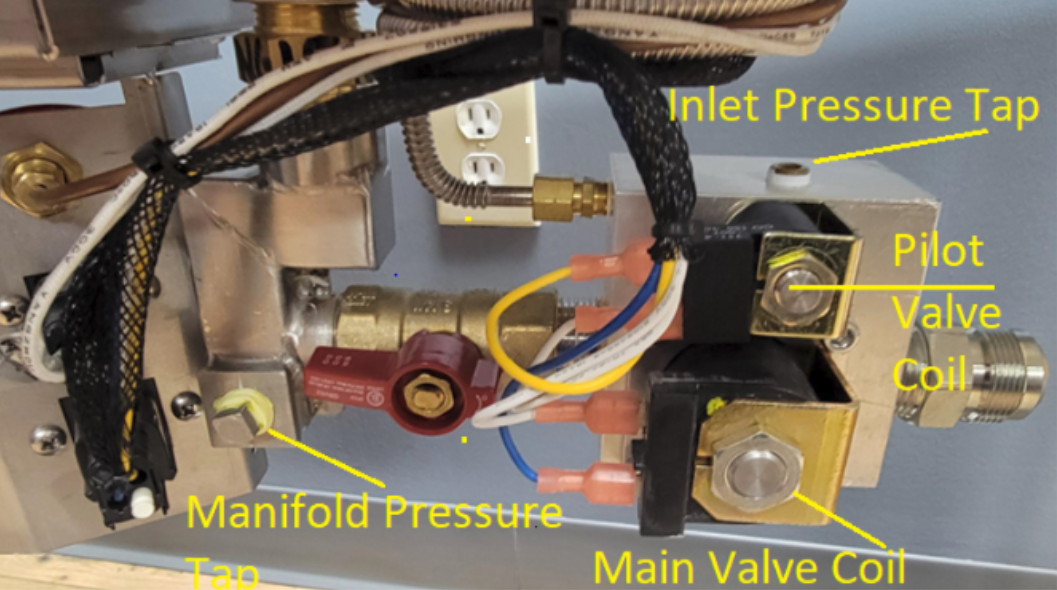
A solenoid valve is an electrically controlled on/off switch for gas. Inside the valve is a small metal rod called a plunger. Attached to the plunger there is a spring that opens and closes the valve. When your electronic ignition turns on, electricity energizes a coil inside the valve, which magnetically pulls the plunger upward and allows gas to flow.

- Spring down = OFF (no gas)
- Magnet up = ON (gas flowing)
It is a simple, reliable design—but only if the gas pressure feeding the valve is correct.
- How High Gas Pressure Causes Trouble
Gas pressure is what pushes the gas through the system. But if the pressure becomes too high, it pushes too hard against that internal plunger. When that happens, the solenoid coil has to work much harder to lift the plunger. In other words:
Excess pressure = extra force holding the valve closed.
This leads to several issues:
- The valve becomes difficult or impossible to open
The magnetic coil may not be strong enough to overcome the pressure pushing downward on the plunger. This causes:
- Delayed Ignition
- Intermittent Burner Lighting
- Repeated attempts to ignite the Ignition System
- The coil overheats
Because the coil is trying harder than it's designed to, it heats up. Over time this can damage the coil's internal windings, leading to:
- Weak magnetic force
- Inconsistent operation
- Valve failure
- Internal seals wear out prematurely
Higher pressure hits internal seals and valve seats harder than normal. This can lead to:
- Internal gas leakage
- A pilot that will not stay off
- A burner that lights unexpectedly
- Ignition becomes unstable
Too much pressure can cause the flame to surge when the valve opens, creating:
- Large initial flame bursts
- Flames blowing off the burner or pilot
- Delayed ignition "whoosh"
Symptoms You Might Notice
You do not need technical knowledge to spot the warning signs. High gas pressure affecting a solenoid valve often shows up as:
- The fire pit lights only sometimes, or not at all
- Loud clicks, surges, or "puffing" when it ignites
- The flame looks too strong or uneven
- The pilot keeps blowing out
- A fuse in the control box keeps blowing
- The system repeatedly tries to relight but cannot
If you are seeing one or more of these behaviors, pressure may be the cause—not necessarily a bad ignition module or broken fire pit.
How Technicians Diagnose Pressure-Related Solenoid Failures
Although the symptoms are often clear to a homeowner, confirming the cause requires certain tests. A trained technician typically performs the following steps:
- Measure gas pressure
Both static pressure (valve off) and dynamic pressure (valve open) are checked. If either one is too high, the solenoid may be struggling.
- Test the solenoid coil
A coil that has been overheated from fighting too much pressure often shows a lower electrical resistance than normal.
- Bench-test the valve
When removed from the fire pit and tested with no gas pressure, the valve may work perfectly—this almost always means high pressure was the cause of the problem, not a bad valve.
- Check internal seals
If seals or valve seats look worn, flattened, or distorted, excessive pressure is usually the culprit.
- Look for leak-through
If gas sneaks past the valve when it is supposed to be closed, pressure may have damaged the sealing surfaces.
Solenoid valves are reliable, long-lasting components, as long as the gas pressure is correct. When pressure rises above the intended level, the solenoid has no choice but to work harder than it was intended to. Over time, this can lead to ignition problems, inconsistent flame performance, and complete system failure.
The key take away is simple, if your HPC fire pit is acting up, do not assume the ignition system is bad. High gas pressure is one of the most common hidden issues. Contact HPC's certified experts at 937-436-9800. Utilize HPC's Apps to help trouble shoot any issues: https://hpcfire.com/mobile-apps/
When you buy from HPC you can have the utmost confidence in the safety and integrity of every design.