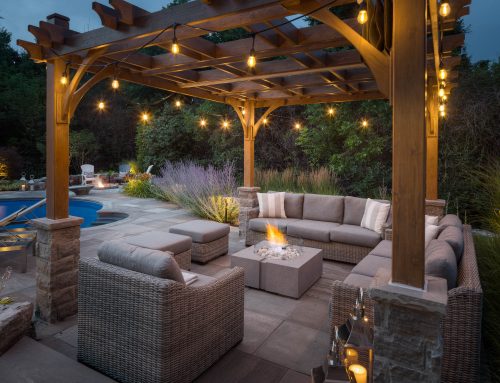
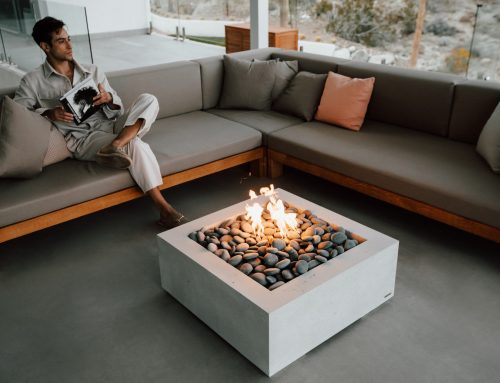
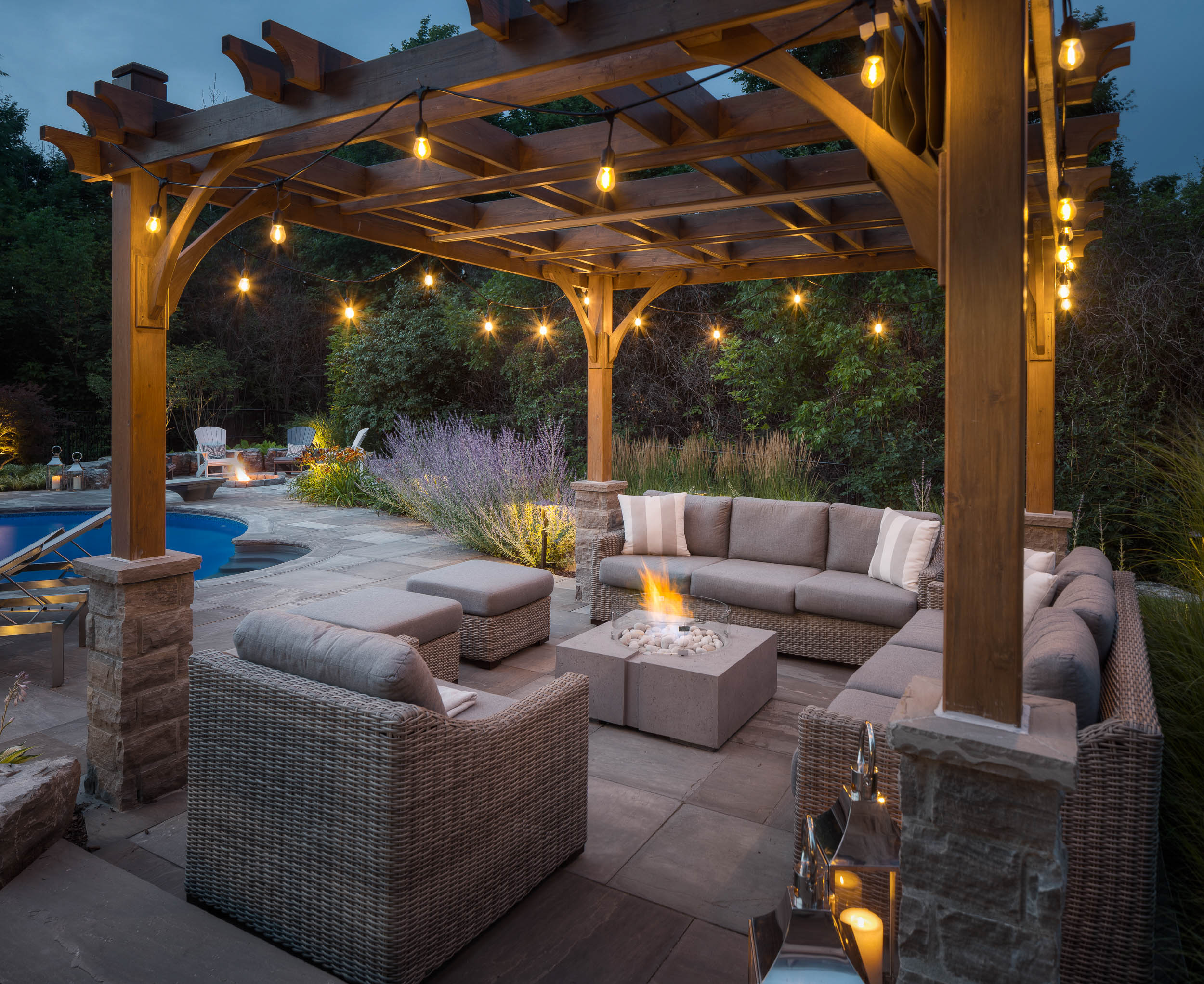
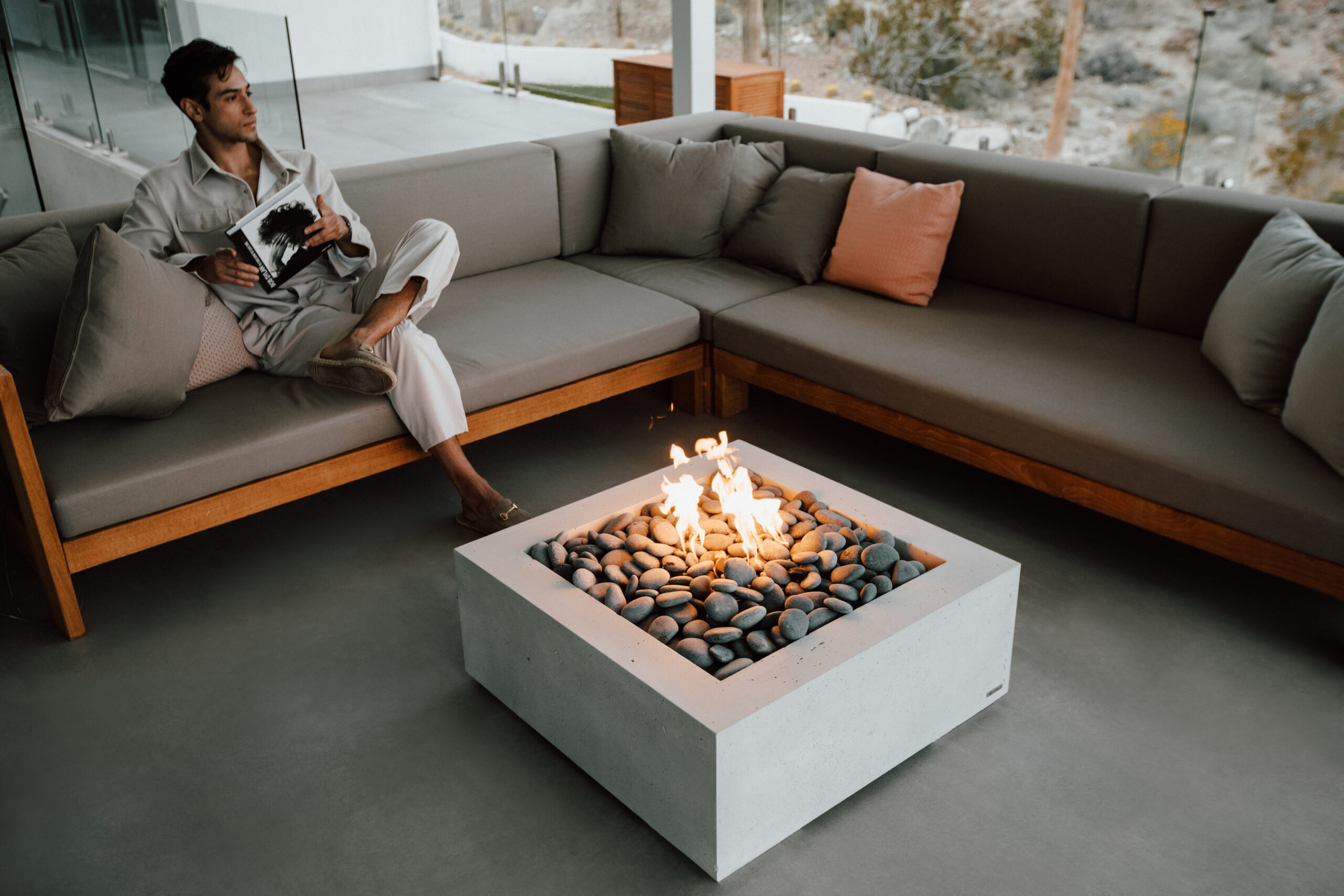
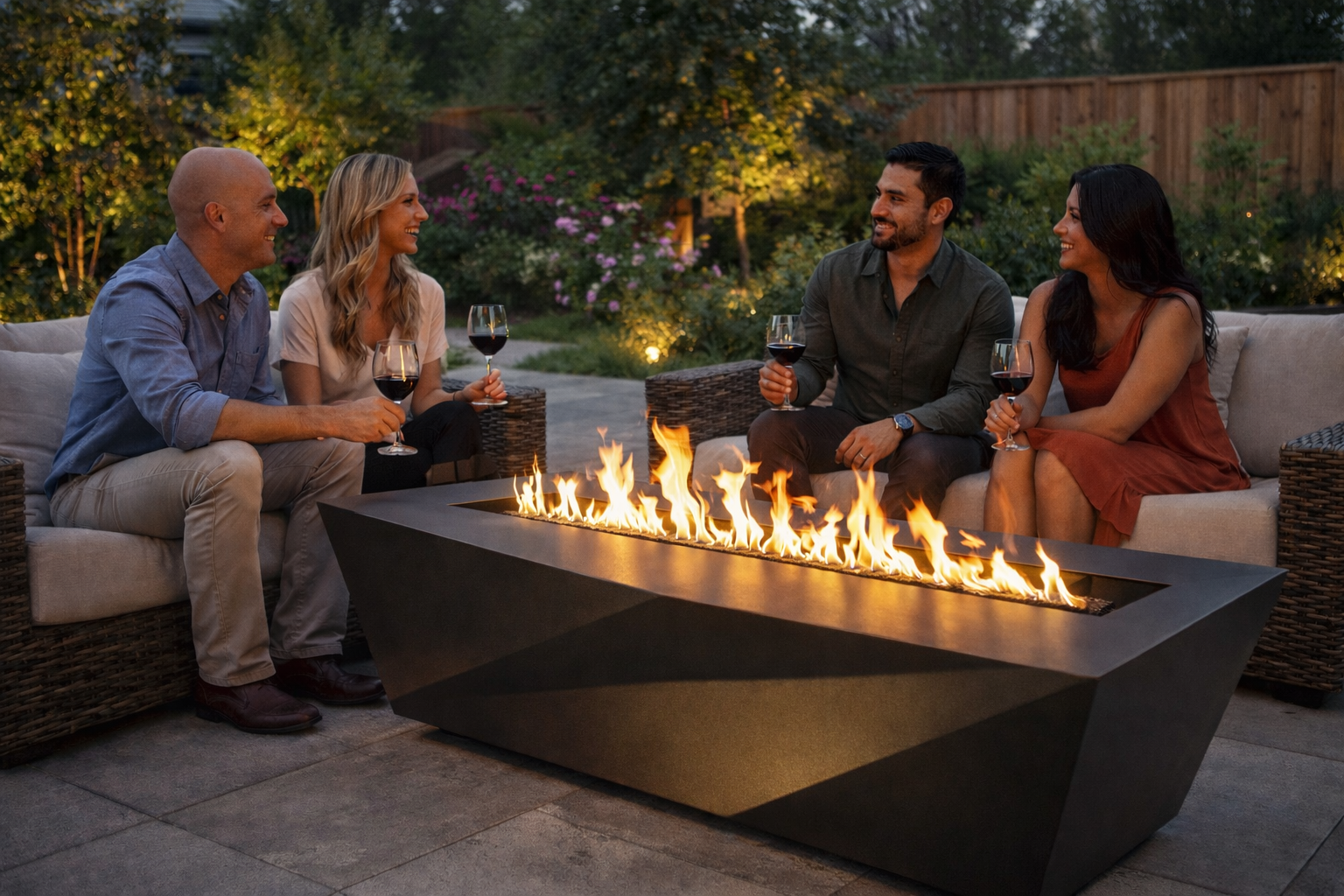
Engineering Comfort, Performance, and Experience. Designing an outdoor fire feature is not just about creating flames, it is about creating an environment. When done correctly, a fire feature becomes the architectural anchor of an outdoor space, influencing layout, comfort, safety, and even guest flow. At HPC Fire Inspired, we believe exceptional outdoor fire design blends engineering precision with intentional spatial planning. Below are 5 key best practices professionals should consider when designing an HPC outdoor fire feature.
1. Start with Spatial Planning — Design Around the Flame
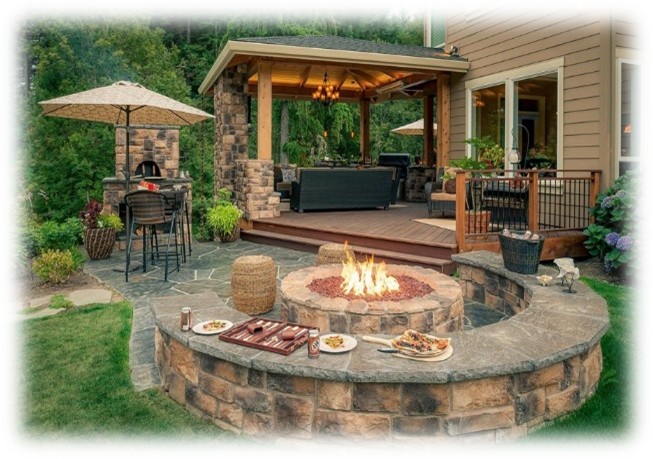
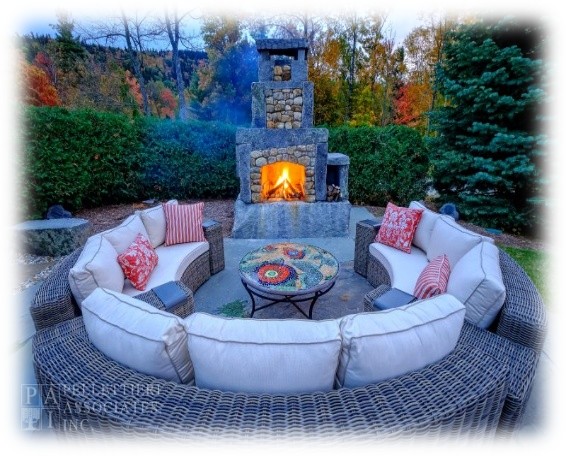
Every great outdoor fire feature begins with one question: How will people experience this space?
Establish the fire feature as a focal point
The fire feature should anchor the layout and be the focal point of the space. In the design stages be sure to intentionally aligning walkways and sight lines leading to the fire feature. This will ensure that the space feels balanced keeping the fire feature as the centerpiece.
Allow proper circulation space
Maintain at least 36” of clearance around traffic paths. Doing so will allow guests to move comfortably without cutting through the heat zone.
Consider viewing angles
Linear burners, circular fire pits, and rectangular features create different visual dynamics. Design seating orientation accordingly this will ensure that the space is aesthetically pleasing and functional.
Maintain code clearances
Always adhere to manufacturers’ clearances and local codes. Be proactive in the design stage. It is imperative to account for nearby structures, overhangs, and combustible materials ensuring the design stays in compliance.
At HPC, our engineers design burner systems that deliver predictable flame performance. To enhance the experience of consumers, it is important to consider the spatial planning of the space.
2. Understand Heat Radius

Not all fire features heat the same way. Heat output (BTUs), flame height and burner design directly affect comfort zones.
Match BTU output to space size
- Small outdoor space 65K-125K BTUs
- Medium outdoor space 125K-250K BTU
- Large outdoor space 250K-400K BTU
Exact sizing of the fire feature should always align with manufacturer’s specifications fuel supply capacity.
Design seating outside the direct flame column
Optimal seating distance is typically 36”-42” inches from the flame edge for residential applications. It is important to keep in mind that when using a larger fire feature the seating distance may need to be adjusted.
Account for material absorption
Stone, concrete, and water features absorb and dissipate heat differently. Large masonry mass may require higher BTU inputs to achieve desired warmth.
HPC burner systems are engineered with reliable precision creating even flame distribution reducing cold spots and maximizing usable heat radius.
3. Wind Considerations — Design for Real-World Conditions

Outdoor environments are dynamic. Wind is one of the most overlooked design variables in fire feature planning.
Evaluate prevailing wind direction
Position the fire feature to minimize crosswind disruption
Use wind guards where appropriate
Tempered glass wind guards help stabilize flame patterns without compromising visibility or heat retention
Avoid corner vortex zones
Placing a fire feature in a tight corner can create swirling airflow, affecting flame consistency.
Consider recessed installations
Slightly recessed burner installations can reduce flame lift and improve combustion stability.
HPC ignition systems and burner ports are engineered for consistent flame performance. By taking outdoor elements into consideration, it will enhance the visual integrity and combustion efficiency.
4. Think Beyond the Flame — Safety, Serviceability, and Longevity
Exceptional design is not just about aesthetics — it is about performance over time.
Smart Design Includes:
- Accessible valve and ignition compartments
- Proper ventilation within enclosures
- Drainage planning for water intrusion
- Non-combustible construction materials
- Compliance with local codes and fuel supply requirements
A well-designed HPC fire feature should look stunning on day one — and perform reliably for years.
5. Designing Multi-Feature Outdoor Spaces
Today’s outdoor spaces are more than patios — they are fully integrated living environments. Fire features often coexist with: Outdoor kitchens, Pools and water features, Pergolas and shade structures, Lounge and dining zones, in both residential as well as Commercial hospitality layouts. Here are a few tips for designing a cohesive space ensuring flow, sustainability, and usability.
Create defined zones
Fire features should complement — not compete with — other focal elements
Balance visual intensity
Multiple fire features require coordinated BTU strategy and flame height scaling.
Plan fuel supply early
Gas demand calculations must account for simultaneous operation of all features.
Centralize controls where possible
Smart ignition systems allow simplified operation across multiple features
HPC offers ignition and control solutions designed for both single-feature residential installs and complex commercial environments.
At HPC Fire Inspired, we do not simply manufacture burners. We engineer complete flame systems built for consistent performance, long-term durability, and striking visual impact. By thoughtfully addressing spatial planning, heat distribution, wind mitigation, and seamless integration with surrounding features, we transform a fire element into more than an amenity. The result is a purposeful destination, a place designed to bring people together to create lasting memories.