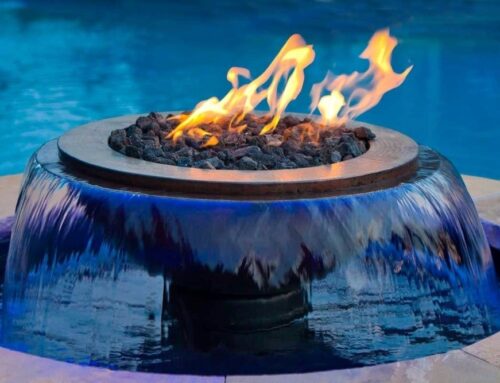
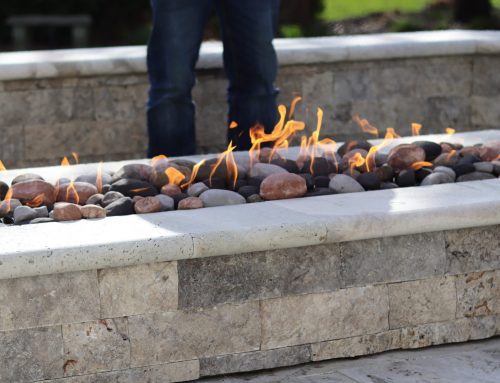
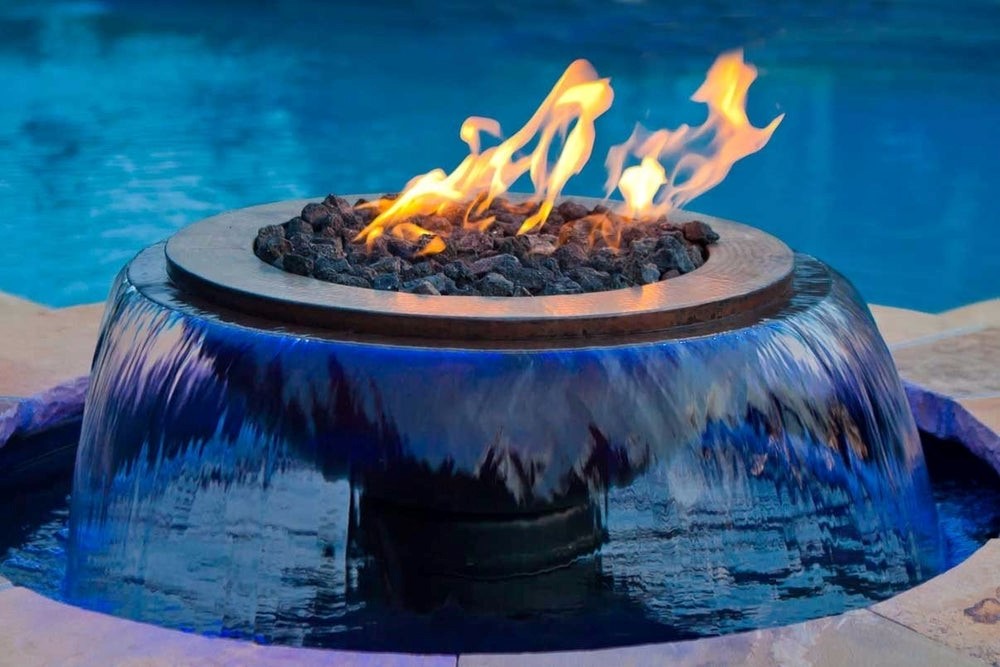
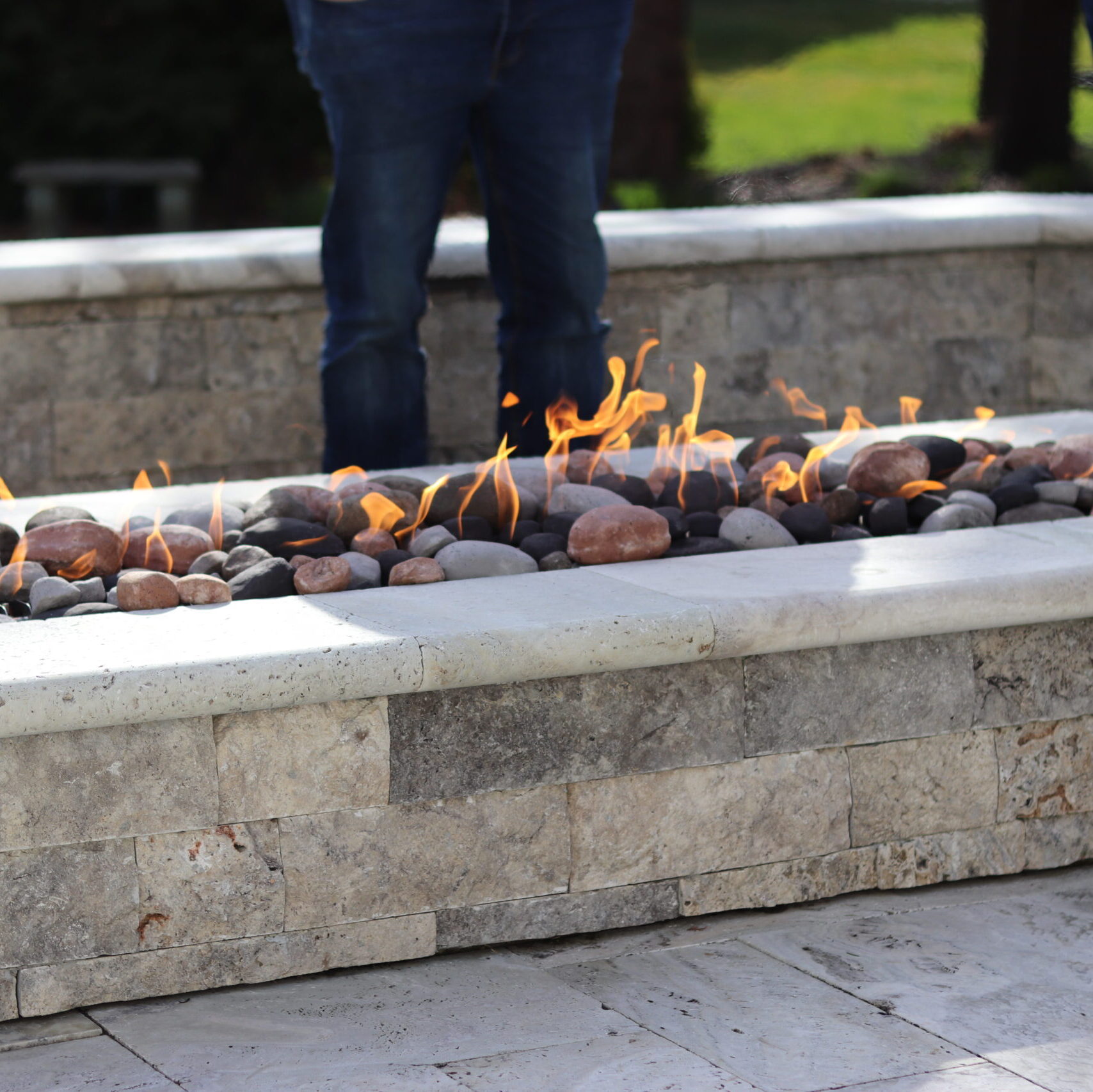
The growing popularity of HPC Fire Inspired gas-fired fire pits in residential, commercial, and public settings has brought increased attention to safety standards, building codes, and permitting requirements. Gas fire pits provide efficient, clean-burning heat and modern design flexibility. It is imperative that installation as well as operation guidelines are adhered to. In addition, checking local, as well as state and national regulations is a crucial step prior to installation. Failure to follow proper permitting and code requirements can result in safety hazards, code violations, or costly retrofits.
Permitting And Inspection Explained:
This article provides a technical overview of regulatory compliance and permitting for gas fire pits, covering key certifications, standards, approval processes, installation requirements, and inspection considerations for both natural gas and propane systems.
1.Understanding the Regulatory Framework
Gas fire pit manufacturing and installations are regulated by multiple governing bodies, depending on the jurisdiction and project type. Compliance typically involves adherence to national fuel gas codes, local building regulations, and fire safety standards.
- ANSI Z21.97 / CSA 2.41: Establishes performance safety and operational criteria for outdoor decorative gas appliances. HPC was the first within the industry to achieve ANSI certification. HPC continues to work closely with CSA ensuring each new line achieves the highest standards.
- ISO 9001: Is the international standard for quality management systems (QMS), providing criteria for organizations to consistently produce products and services that meet customer and regulatory requirements while enhancing customer satisfaction through ongoing improvement. As many now know HPC was ISO certified last year (2024) and keeps the quality of our manufacturing processes and customer satisfaction above the rest.
- NFPA 54 (National Fuel Gas Code): This type of regulatory compliance is on the installation side of the appliance. It governs gas piping design, installation, and testing requirements for both natural gas and propane systems.
- Local Building Codes: Cities and counties often have additional rules for setback distances, enclosure materials, venting, and gas line permits. Normally the local building officials will do all submittal reviews and installation inspections.
Compliance with these standards ensures that gas fire pits are installed safely and will operate within the approved performance limits for gas flow, flame height, and thermal output.
- Permitting Process:
The permitting process for a gas fire pit typically involves coordination between several departments, including building, mechanical, and fire safety authorities.
- Initial Design Submittal: Before installation, a detailed design submittal is required. This should include site plan, equipment model numbers and certification (CSA or UL Listing)
- Review and Approval: Local authorities review the submittal for compliance with code requirements. For example: Clearances, gas pressure limitations, flame height and wind guard requirements.
- Permit Issuance: Once plans are approved, the authority issues a mechanical or fuel gas permit, authorizing installation work by a licensed contractor. In some municipalities, electrical or structural permits may also be required; therefore, if the system includes lighting, control modules, or structural enclosures securing this permit will be necessary.
- Final Inspection and Certification: After installation, an inspector verifies that the fire pit was installed according to the approved design and applicable codes. Typical checks include Leak testing on all fittings and joints, flame supervision and automatic shutoff function verification, Pressure regulator settings and orifice sizing confirmation and Verification of clearances, ventilation, and anchoring.
- Common Regulatory and Installation Requirements
While specific requirements vary by jurisdiction, several general standards apply to most gas fire pit installations.
- Gas Supply: Gas piping must be sized correctly based on total BTU load and run length, following NFPA 54 guidelines.
- Ignition Systems: Electronic or flame-sensing ignition systems must include an automatic shutoff to prevent unburned gas release.
- Venting and Drainage: Fire pits built into enclosures must include ventilation openings (typically two opposing vents totaling at least 36 sq. in.) to prevent gas buildup. In addition, the enclosure must have a means for water egress.
- Clearances: Maintain safe distances from combustible materials, building walls, overhangs, and vegetation.
- Accessibility: Shutoff valves must be readily accessible and located within a specified distance of the appliance (commonly within 6 feet).
- Labeling: All permanently installed gas fire pits should include manufacturer identification, model number, BTU rating, and certification marks.
- Best Practices for Code Compliance
Taking these proactive steps will ensure your device will remain in compliance with codes and regulations.
- Engage Certified Professionals: Always use licensed plumbers, gas fitters, and electricians familiar with local codes and manufacturer specifications.
- Always look for certified equipment: Select equipment that is certified to ANSI standard Z21.96 / CSA 2.41teted by a 3rd part lab such as CSA, UL or other testing facilities
- Document Everything: Maintain installation records, inspection certificates, and maintenance logs for future reference.
- Schedule Regular Inspections: Even after the initial approval, scheduling annual or seasonal inspections ensure continued safety and compliance.
- Stay Informed: Codes and local ordinances evolve. Verify requirements with the local building department or authority having jurisdiction (AHJ) before every project
Regulatory compliance and proper permitting are essential components of any safe and reliable HPC gas fire pit installation. Adhering to national codes such as NFPA 54, and ANSI Z21.97, while following local building and fire department requirements, ensures that the installation runs safely and legally.
A well-documented and code-compliant installation not only minimizes risk but also enhances long-term performance, reliability, and user confidence. Whether for residential backyards, commercial patios, or public spaces, understanding and respecting the permitting process is a critical step toward creating safe, efficient, and enduring gas fire pit systems to enjoy for years to come.